
Training for your first marathon can feel exciting, intimidating, and slightly ridiculous all at the same time.
One day, you are thinking, “I could probably do this.”
The next day, you are wondering how anyone runs 42.2 kilometres without falling apart.
That is completely normal.
Your first marathon does not need to be perfect. You do not need to train like an elite runner, buy every piece of gear, or understand every training term before you begin. What you need is a simple plan, patience, consistency, and a clear idea of what matters most.
This guide will walk you through the most important first marathon tips so you can train smarter, avoid common mistakes, and arrive at race day feeling more prepared.
Quick takeaway: Your first marathon is not about being perfect. It is about building steadily, practicing the basics, and arriving at the start line healthy and prepared.
First Marathon Help
If you are training for your first marathon and want the process to feel less overwhelming, the Break My Ordinary First Marathon Guide gives you a beginner-friendly roadmap for training, race week, gear, fueling, and race day.
Before you worry about pace charts, shoes, watches, or training plans, start with your goal.
For your first marathon, the goal does not have to be a fast finishing time. In fact, for many first-time marathon runners, the best goal is simple:
Finish healthy, stay steady, and enjoy the experience.
That might not sound exciting at first, but it matters. A marathon is a big challenge. If you make your first one all about hitting a specific time, it can add pressure before you even begin.
A better approach is to ask yourself:
Those are great first marathon goals.
You can always chase a faster time later. Your first marathon is about learning what it takes, proving to yourself that you can do it, and building a foundation for whatever comes next.
One of the easiest ways to feel overwhelmed is to train without structure.
You run when you feel motivated. You skip when life gets busy. You do a long run one week, then barely run the next. Eventually, race day starts getting closer and panic sets in.
A simple training plan helps prevent that.
A good beginner marathon plan usually includes:
You do not need a complicated plan. You need one that fits your current fitness, your schedule, and your life.
The best plan is not the hardest one. It is the one you can follow consistently.
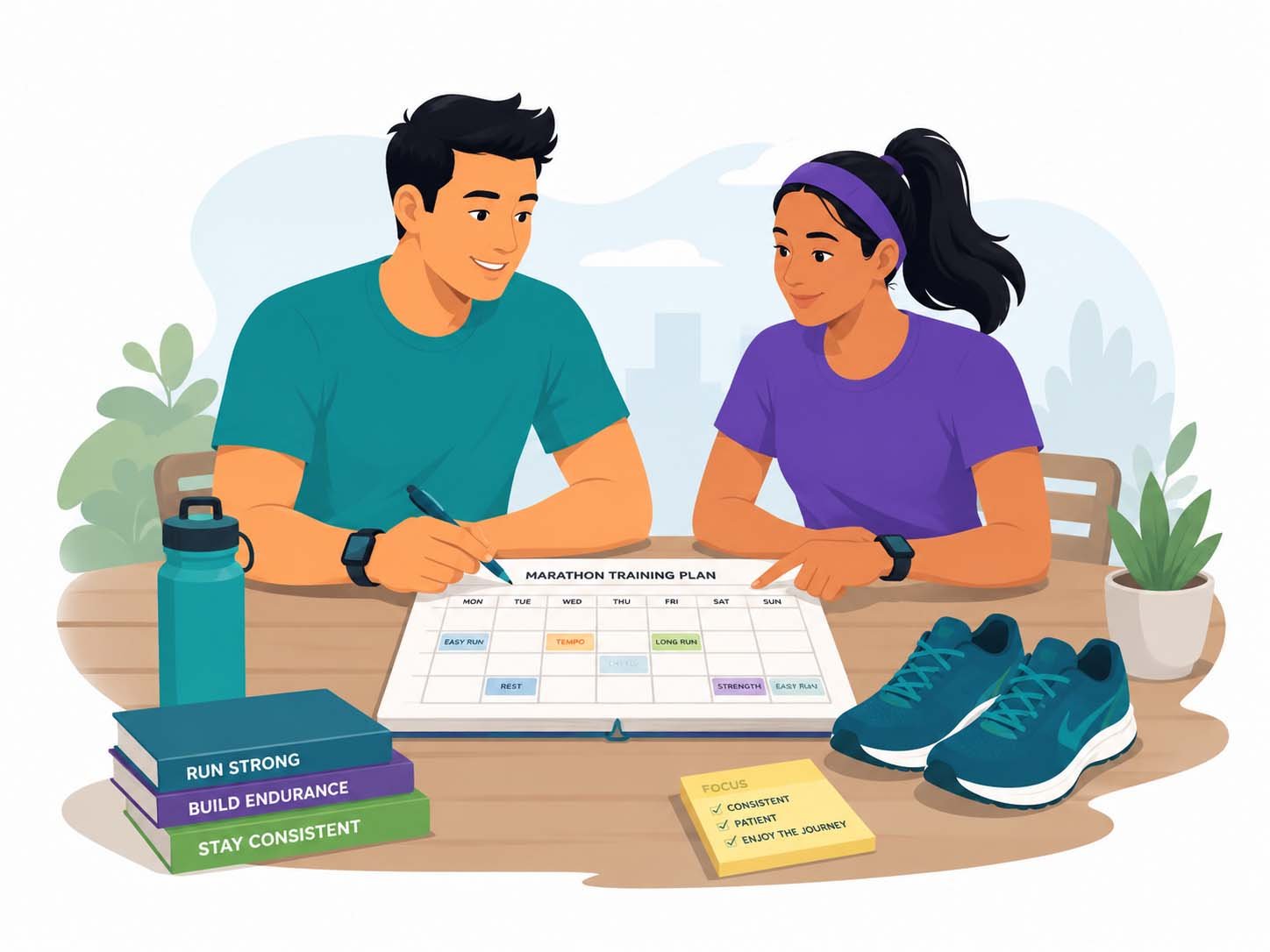
Your weekly long run is one of the most important parts of marathon training.
It helps your body get used to spending more time on your feet. It also gives you a chance to practice pacing, fueling, hydration, clothing, shoes, and mental focus.
But your long run should not feel like a race every week.
Most of your long runs should be done at an easy, controlled pace. You should finish tired, but not completely destroyed.
The goal is to build endurance over time, not prove your fitness every weekend.
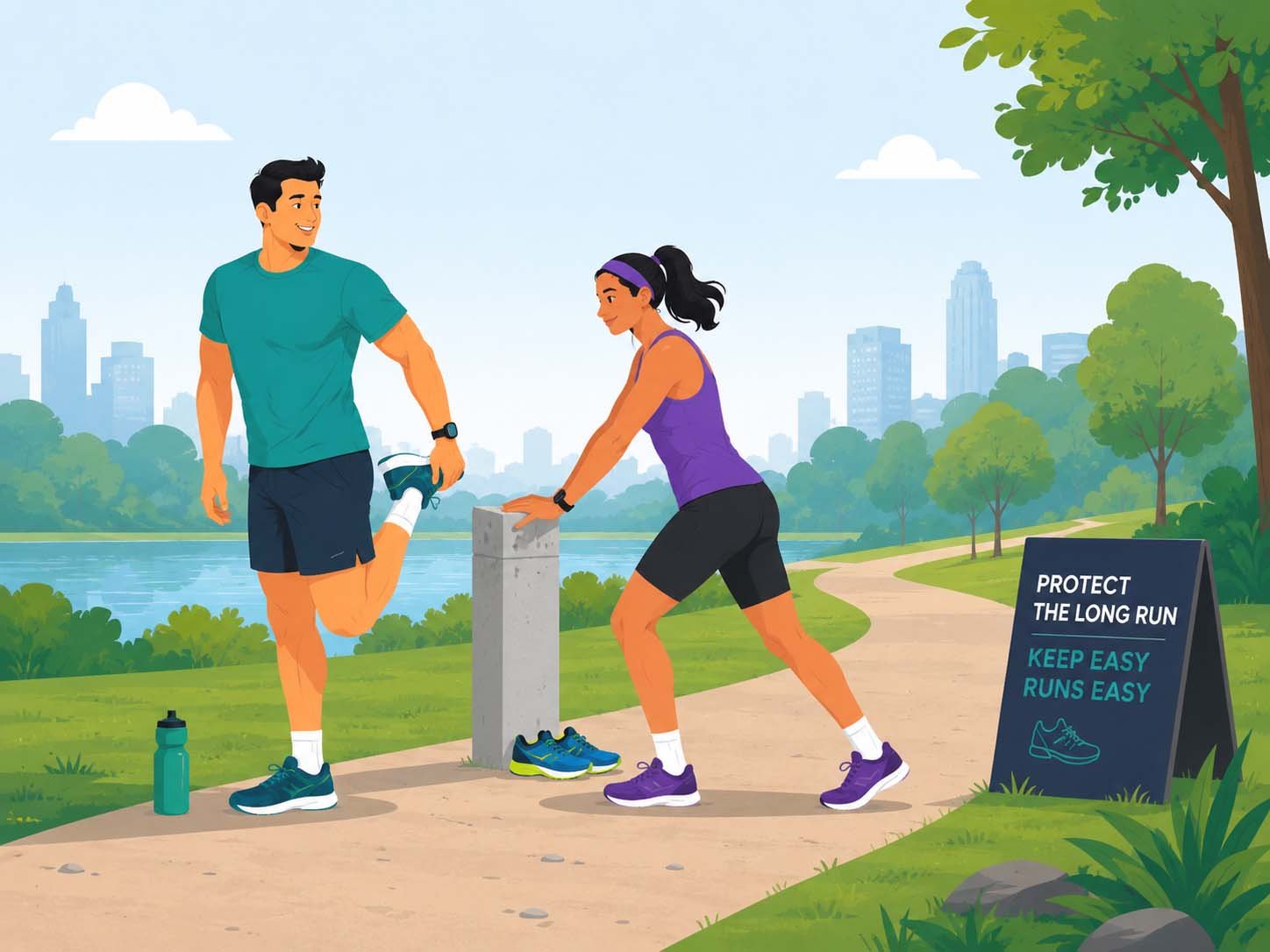
This is one of the biggest mistakes new runners make.
Easy runs are supposed to feel easy.
That means you should be able to speak in short sentences while running. You should not be gasping, chasing a pace, or trying to beat your last run every time you head out the door.
Easy running builds your aerobic base, improves endurance, and helps your body recover between harder sessions.
If every run feels hard, you are probably running too fast too often.
For your first marathon, consistency matters more than intensity.
A marathon is not something you cram for.
You cannot skip weeks of training, panic, then suddenly pile on distance and expect your body to be happy about it.
Your muscles, joints, tendons, and bones need time to adapt. That is why gradual mileage is so important.
A smart beginner approach is to slowly increase your weekly distance and include easier weeks along the way. These lighter weeks give your body a chance to absorb the training.
Try not to think of recovery weeks as lost progress. They are part of the progress.
Also, if you miss a run, do not panic.
Missing one workout will not ruin your marathon. Trying to make up for it by cramming extra miles into the next few days might.
Simple rule: Do not chase missed miles. Get back on track.
Your body responds best to steady, repeatable training over time.
Fueling is one of the most important parts of marathon training, and it is something many beginners ignore until it is too late.
Once your long runs get longer, your body needs energy during the run. For most runners, that means taking in carbohydrates through gels, chews, sports drinks, or other simple fuel sources.
The key is to practice.
Do not wait until race day to find out whether a gel upsets your stomach or whether a sports drink works for you.
Use your long runs as practice sessions.
Before race day, you should know what breakfast works for you.
Some runners like toast with peanut butter. Some like oatmeal. Some like a bagel, banana, or simple carbs that are easy to digest.
The exact meal is less important than knowing it works.
Your race-day breakfast should be familiar, simple, and tested.
Do not wake up on marathon morning and try something new because you saw another runner eating it.
You should also practice taking fuel during long runs.
This helps you learn:
A marathon is long enough that poor fueling can make the final kilometres much harder than they need to be.
Training your gut is part of training your body.

Race day is not the time to experiment.
That applies to shoes, socks, shorts, shirts, sports bras, hats, belts, watches, gels, and anything else you plan to use.
Nothing new on race day.
Your long runs are your testing ground. Wear the shoes you might race in. Try the socks. Test the shorts. Use the same fuel. Figure out what rubs, what moves, what annoys you, and what feels comfortable after two or three hours.
Small issues can become big problems during a marathon.
A seam that bothers you at 8 km might become miserable at 32 km. A shoe that feels okay for a short jog might not feel great after hours of running. A shirt that looks good might chafe once you start sweating.
Comfort matters.
Your race-day gear should feel boringly reliable. That is a good thing.
The first half of a marathon should not feel heroic.
One of the most common first marathon mistakes is starting too fast. Race-day excitement is real. The crowd is cheering, your watch says you feel amazing, and everyone around you seems to be moving quickly.
The problem is that the marathon does not really start to show itself until later.
If you go out too fast, you may pay for it in the final 10 km.
A smart strategy is to start controlled. Let the early kilometres feel almost too easy. Settle into your rhythm. Focus on breathing, form, and staying calm.
You want to reach the halfway point feeling like you still have work to do, not like you have already used up your best energy.
On race day, your effort can feel easier than normal because of adrenaline.
That is why pacing matters.
Try not to chase runners around you. Some of them may be running a different goal pace. Some may be more experienced. Some may also be starting too fast.
Run your race.
If the weather is warm, the course is hilly, or you feel nervous, adjust your pace by effort. A marathon is not just about hitting numbers on your watch. It is about managing energy over a long distance.
A controlled start gives you the best chance to finish strong.
Training does not only happen while you are running.
It also happens when you recover.
Rest days, sleep, easy runs, mobility, strength work, and nutrition all help your body adapt. If you keep pushing without recovery, you increase your chances of burnout, sickness, or injury.
Some tiredness is normal during marathon training. You will have days where your legs feel heavy. You will have runs that feel harder than expected. That does not always mean something is wrong.
But sharp pain, worsening discomfort, or pain that changes your stride should not be ignored.
The goal is not to be tough every day. The goal is to make it to the start line healthy.
Recovery is not weakness. It is part of the plan.
You do not need to become a bodybuilder to run your first marathon, but basic strength training can help.
Strength work may improve your durability, posture, and ability to handle the repeated impact of running.
For beginners, simple is best.
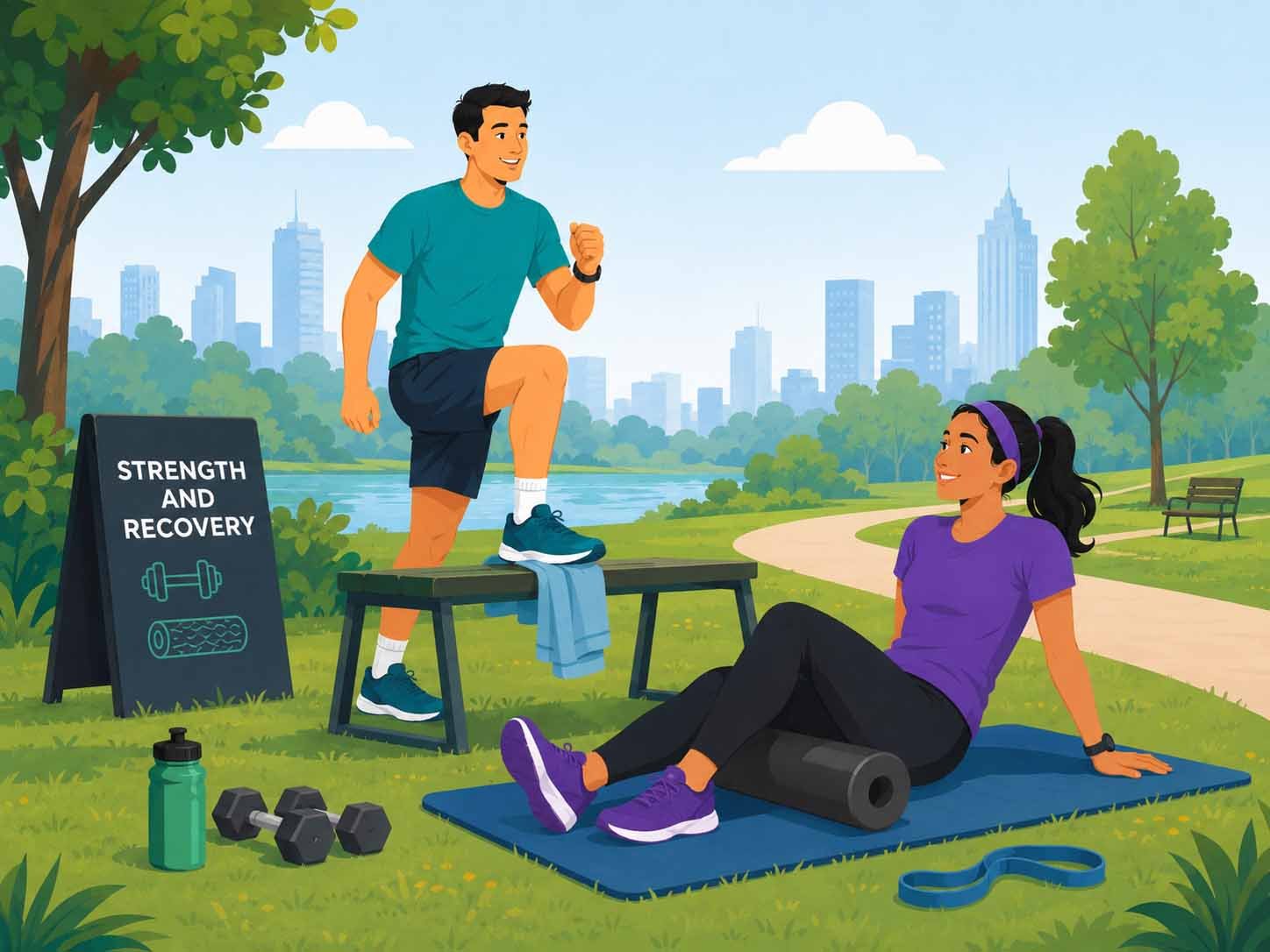
Focus on movements like:
You can start with one or two short strength sessions per week.
The goal is not to crush yourself in the gym. The goal is to support your running.
A little strength work done consistently can go a long way.
The final week before your marathon can feel strange.
You may feel excited, nervous, tired, restless, or convinced that you have not done enough. Many runners experience this.
But the final week is not the time to gain fitness.
It is the time to rest, sharpen up, and prepare.
Do not try to squeeze in one more big workout. Do not test new shoes. Do not suddenly change your diet. Do not panic because you missed a run three weeks ago.
Your job during race week is to keep things simple.
Focus on:
The calmer you can make race week, the better.
Race week reminder: The final week is for resting, organizing, and trusting your training. It is not the time to add more pressure.
Maranoia is that nervous feeling many runners get before a marathon.
You start questioning everything.
Did I train enough?
Is that little ache something serious?
Should I change my shoes?
Should I run one more long run?
What if I forget something?
This is normal.
The best thing you can do is trust the work you have done and avoid making last-minute changes.
You do not need to feel perfect on race morning. You just need to be prepared.
One reason first-time marathon training feels overwhelming is that there are so many things to remember.
You are thinking about training, shoes, long runs, food, hydration, weather, race day logistics, bathroom stops, pacing, and what happens if things get hard.
A checklist can make the process feel much more manageable.
Instead of keeping everything in your head, you can organize the basics:
This is where a simple guide can really help.
If you want a beginner-friendly roadmap, the Break My Ordinary First Marathon Guide was created to make the process easier to follow. It helps you stay organized, avoid common mistakes, and feel more confident as race day gets closer.
You do not need to figure everything out alone.
The marathon will teach you a lot.
It will teach you patience. It will teach you how to keep going when motivation fades. It will teach you how to manage discomfort, doubt, excitement, and nerves.
Some runs will feel amazing. Some will feel awful. Some weeks will go exactly as planned. Other weeks will get interrupted by work, family, weather, travel, or life.
That is part of the process.
You do not need a perfect training block to become a marathon finisher.
You need to keep showing up, make smart choices, and give yourself enough time to prepare.
Start with a realistic goal. Follow a simple plan. Build gradually. Practice fueling. Use gear you trust. Pace yourself. Respect recovery.
Do those things, and you will give yourself a much better chance of standing on the start line ready for the challenge ahead.
Your first marathon is not just about running 42.2 kilometres.
It is about proving to yourself that you can do something hard, one step at a time.
Marathon Guide
If you are training for your first marathon and want a simple way to stay organized, download the Break My Ordinary First Marathon Guide.
It gives you a beginner-friendly roadmap for training, race week, fueling, gear, and race day so you can feel more prepared without overthinking everything.
Most beginners should give themselves several months to train. Many beginner marathon plans are around 16 to 20 weeks, depending on your current fitness and running background.
No. Most beginner marathon plans do not have you run the full 42.2 km before race day. Long runs help prepare your body, but you usually save the full distance for the actual marathon.
Some of the biggest mistakes are starting too fast, building mileage too quickly, skipping recovery, and not practicing fueling before race day.
Use whatever you practiced with during your long runs. Many runners use gels, chews, sports drinks, or other simple carbohydrate sources. Race day is not the time to experiment.
For many first-time marathoners, the best goal is to finish healthy, stay steady, and enjoy the experience. You can always chase a faster time in a future race.
Are you ready to take on the challenge of running a marathon? Whether you're a seasoned runner or a complete beginner, marathon training can be a rewarding and life-changing experience. In this ultimate guide, we'll walk you through everything you need to know to prepare for your first marathon. From setting realistic goals to choosing the right gear, we've got you covered. Lace up your running shoes, and let's get started!
Marathon training is definitely more than just running long distances. It's about preparing your body and mind for the demands of a 26.2-mile (42.2 kilometer) race. Proper training helps you build endurance, improve your speed, and reduce the risk of injury.
A good training plan includes a mix of long runs, speed work, and rest days. It's essential to gradually increase your mileage to allow your body to adapt and avoid overtraining. Let's dive into the basics of setting your marathon training goals.
Setting realistic goals is the first step in your marathon training journey. Goals give you a clear focus and help keep you motivated. Here’s how to set achievable goals:
Example Beginner’s Goal: "Complete a marathon in under 5 hours within six months of training."
A well-structured training plan is crucial for marathon success. Here’s what a typical beginner’s plan looks like:
Sample Training Schedule:
Adjust the plan based on your progress and listen to your body.
Proper nutrition and hydration are vital components of marathon training. Here are some tips:
Experiment with different foods and drinks during training to see what works best for you.

Having the right gear can make your training more comfortable and effective. Here’s what you need:
Take the time to find gear that fits well and meets your needs.
Staying motivated throughout your marathon training can be challenging. Here are some strategies to keep you going:
Remember why you started and keep your end goal in sight.
The week leading up to your marathon and race day itself are crucial. Here’s how to prepare:
By following these tips, you'll be ready to take on your marathon with confidence.

Congratulations! You've crossed the finish line of your marathon. While finishing the race is a huge accomplishment, your journey doesn't end there. Proper recovery is essential to help your body heal and prepare for future runs.
Recovering properly will help you bounce back stronger and ready for your next challenge.
Marathon training is a challenging but incredibly rewarding journey. By setting realistic goals, following a structured training plan, and taking care of your nutrition and gear, you’ll be well on your way to crossing the finish line. Remember, every step of the journey is progress. Find your race, start your training, and don’t hesitate to share your experiences or ask questions in the comments below. Happy running!
I predominantly eat plant-based and am enjoying the benefits of this lifestyle. I say "lifestyle" because I don't do diets; for me diets are time based activities or plans that ultimately end and so do the benefits. To be honest, I find diets extremely hard to maintain and can be unrealistic for those with busy lives yet, for some people diets can work. Maybe they are a kick-starter into a better "lifestyle" of eating? For me, life revolves around better choices and better preparation to eat healthy consistently and sustainably.
The caveat is that my genes dictate that when I eat too much meat or foods with higher fat percentages it can wreak havoc on my cholesterol and I inevitably will slip over the healthy range. It's frustrating because I consider myself as fit, I consistently train 4-5 days a week, running, cycling, swimming, and strength. I'm within range of a healthy weight (BMI, Body Fat%, etc.) because I eat more plant-based diet and I would definitely be in a worse position if I wasn't. However, there are still ways to eat an unhealthy plant-based diet but eating more plant-based can still be the healthier option in my opinion. Here are few ways on how to maintain plant-based eating:
Eating a plant-based diet is a great way to improve your health and reduce the environmental impact. However, sustaining a plant-based diet can be tricky. The transition to a plant-based diet can seem overwhelming at first, particularly if you are used to a diet that includes animal products.
To start, try to transition gradually by incorporating more plant-based meals into your diet. You can start by having one meatless meal a day, and gradually increase the frequency over time. This allows your taste buds and your body to adjust to the changes in your diet. Starting slowly also helps to ensure that you won't feel overwhelmed and give up on your plant-based diet goals. Incorporating cheat meals is also one way to reward yourself if you've been successful over the week.
Planning your meals in advance can help you stay on track with your plant-based diet. Make a grocery list and plan your meals for the week ahead of time. This can help you avoid impulsive purchases of animal products and ensure that you have all the ingredients you need for your plant-based meals. Meal planning also helps you save time and money and saves you from eating out or making unhealthy choices.
If you are transitioning to a plant-based diet, you may need to supplement certain nutrients that are typically found in animal products, such as vitamin B12 and iron. Consult with a healthcare professional to determine if supplementation is necessary. With time, you can create a diet that works for you and your health goals. Remember to be patient with yourself and take it one step at a time. With consistency, you can make the transition to a sustainable plant-based diet that benefits both your health and the environment.
Partnering up can be a beneficial way to maintain a healthy lifestyle. It provides accountability, support, and motivation that can help you stay on track. You can ask a friend, join a healthy eating group, hire a nutritionist, or use a meal delivery service.
Having a friend or family member who shares your healthy eating goals can be an excellent motivator. You can work together to share healthy recipes, meal prep, and hold each other accountable. Joining a group of like-minded individuals who are also trying to eat healthier can be an excellent source of support and motivation. You can share tips, recipes, and success stories, and you'll have a built-in support system to help you stay on track.
Hiring a nutritionist or dietitian can provide personalized guidance and support to help you achieve your healthy eating goals. They can help you create a meal plan, suggest healthy food options, and provide ongoing support to keep you motivated. Using a meal delivery service takes the guesswork out of planning, providing healthy, pre-made meals that are especially helpful if you're short on time.
Partnering up with eating healthier can help you achieve your goals and maintain a healthy lifestyle. There are several ways to get the support and motivation you need. You can choose the option that best suits your lifestyle.
Regular exercise is crucial for maintaining optimal health, reducing the risk of chronic diseases, and promoting overall well-being. An exercise program can help to complement a healthy diet and keep you motivated to maintain a plant-based lifestyle.
The first step in creating an exercise program to maintain a healthy diet is to determine your fitness level and goals. Consult with a healthcare professional to ensure that you are healthy enough to exercise and to help you create a plan that is tailored to your specific needs and goals.
When it comes to exercise, variety is key. Aim to include a combination of aerobic exercise, strength training, and flexibility exercises in your routine. Aerobic exercise, such as brisk walking, jogging, or cycling, helps to improve cardiovascular health and burn calories. Strength training, such as weight lifting or bodyweight exercises, helps to build muscle and increase metabolism. Flexibility exercises, such as yoga or stretching, can help to improve range of motion and prevent injuries.
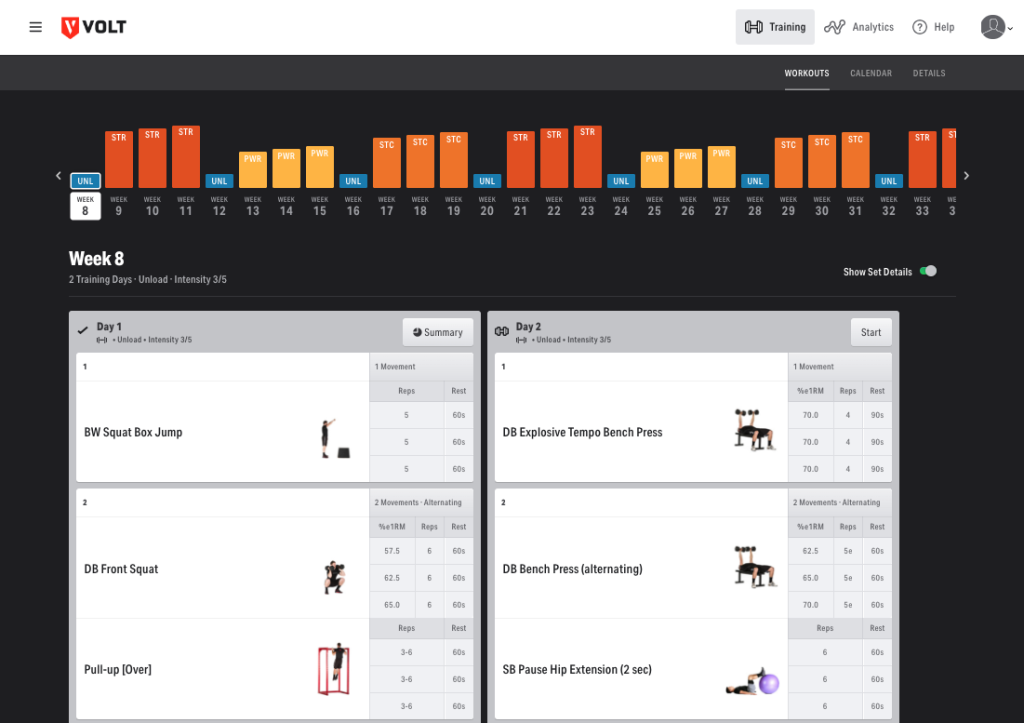
It is important to enjoy the exercise you choose and make it a part of your lifestyle. Find activities that you enjoy and that fit into your schedule and make them a priority. Once you have an exercise plan in place, you will find that eating healthy comes easier.
We've gone through a few ways that I find help maintain my plant-based diet lifestyle. They are an effective way to improve your health and also the health of the planet. By gradually transitioning to a plant-based diet, planning meals, and incorporating a variety of whole grains, fruits, vegetables, nuts, seeds, and legumes, you can create a sustainable and nutritious diet. Additionally, partnering up with friends or family members and incorporating regular exercise into your routine can help to maintain motivation and support overall health and wellness. By making these lifestyle changes, you can achieve optimal health.
Embarking on a fitness journey is an exhilarating yet challenging experience. It demands that you put in effort, remain focused, and persist in striving for your fitness targets. However, elements like family, work, or friends can sometimes derail you. If you're having trouble maintaining your fitness goals, there's no need to beat yourself up. Here are some fail-safe strategies to keep you motivated and committed to staying fit and healthy. You'll learn how working out with others can make fitness routines enjoyable, the importance of understanding your reasons for getting fit, how a simpler workout routine could be beneficial, the crucial role of taking breaks, and how self-compassion can foster persistence. These tips will open up new channels for you to stay committed to your fitness goals.
Diving into an inspiring fitness journey can often be solitary. However, incorporating group training into your routine can significantly change the dynamics, adding an extra thrill to your workout sessions. Why is group training so effective in helping you meet your fitness goals? Let's dig into that.
Group training has benefits that can invigorate you to push on with your fitness. Your perseverance is amplified - there's an undeniable energy in moving together with others towards a shared purpose. The variations and challenges brought about by group exercises, you may notice an enhanced level of fitness, agility, and endurance over time, driving you closer towards your fitness goals.

When it comes to group training, the are many options. Whether it's a heart-pounding boot camp, an exhilarating fitness class, or a community-driven sports club, you can choose an option that aligns with you and your interests. The diversity of these classes ensures your workouts remain fresh and engaging.
The role of group dynamics cannot be understated. Your fellow group members, your trainer, the friendly competition, and the shared sweat all work in sync to toughen your workout regimen. The collective motivation of the group can be a powerful stimulant, pushing you to break through challenging workouts and overcome any fitness plateaus. Let's not forget accountability, training in a group often makes you feel like you would let others down if you didn't show up. It creates a feeling of responsibility to the group.
But perhaps the most rewarding aspect of group training often goes unnoticed - the sense of community. Sharing your fitness journey with others makes it more enjoyable, fulfilling, and less lonely. The camaraderie built in these training sessions not only uplifts your spirits during grueling workouts but also acts as a support network, reminding you that you're not alone in this.
Every momentous initiative, including your fitness goals, needs to be grounded in a solid 'why.' Your 'why' is the deep, internal reason that fuels your commitment to your workout plans. Without this being well-defined, it's hard to stay the course when challenges eventually rear their heads.
How does your 'why' intertwine with your fitness goals? It must align with your life values and motivations. This alignment transforms your exercise routine into more than just a routine—it becomes a purpose. Whether it's to stay healthy for your kids, boost your self-confidence, or promote mental well-being, this motivation plays a pivotal role in your long-term dedication to fitness.
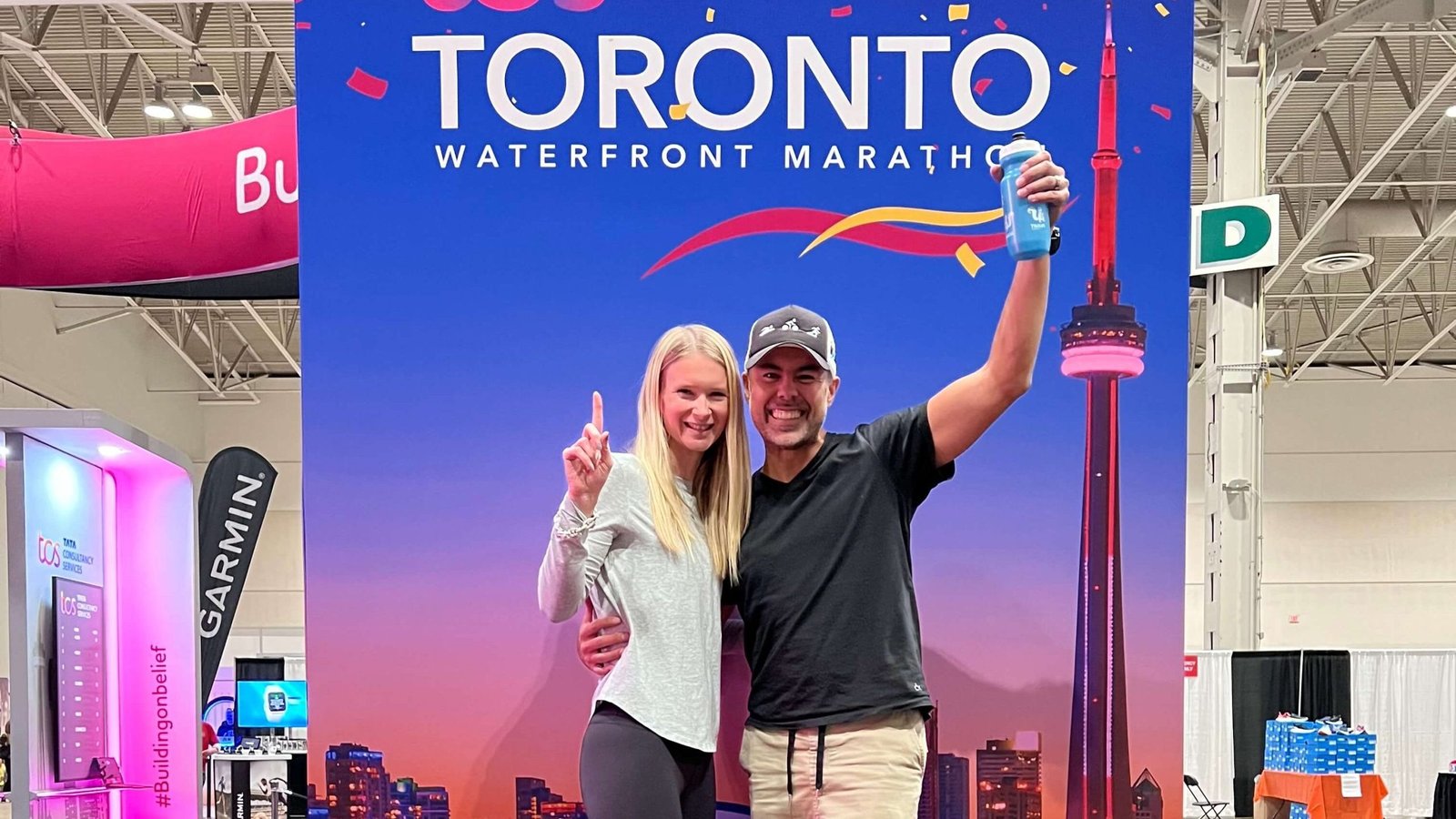
Identifying your personal motivations might seem daunting, but it's an introspective journey well worth the effort. You may start by asking yourself why you want to achieve your fitness goals and how it impacts various aspects of your life. Digging into these questions will help you resurface your motivational reservoir whenever your dedication starts wavering.
Discovering your 'why' is a key strategy to maintain your commitment to your fitness goals. It acts like an internal compass, steering you back on the path each time you feel lost.
In the world of fitness, where buzzwords and complex training routines take center stage, maintaining simplicity can be underestimated. It's tempting to think that the more complicated a routine, the better it must be. On the contrary, a simpler workout might be exactly what you need to stay on track.
Maintaining a simple workout routine has several benefits. For starters, a less complicated routine is easier to stick to. No one wants to be overwhelmed with numerous types of exercises, which can be daunting and potentially demotivating. By carving out a simple workout plan, it becomes easier to keep track of your progress and adjust your plans as needed, ensuring consistency.
Making simplicity your friend doesn't mean sticking to mundane, ineffective routines. There's an array of basic yet powerful exercises - from squats and lunges for lower body workouts to push-ups and pull-ups for upper body strength or even high-intensity interval training (HIIT) for cardiovascular improvement. These exercises work multiple muscle groups at once, leading to impressive results.
Having a solid, easy-to-follow workout routine is a fantastic step towards achieving your fitness goals. But it's essential to remember that pushing your body relentlessly without proper rest can be counterproductive.
In your pursuit of a healthier you, the emphasis is often placed on training hard and pushing limits. But here's a key piece of the puzzle often overlooked: rest. Yes, contrary to what you might believe, deliberately taking time off from your training—known as recovery or rest weeks—is not a sign of slacking off but an important part of fitness.
Your body grows stronger not during the workout but during the recovery periods; this is when muscle repair and growth happen. The harder you train without adequate rest, the greater the risk of overtraining, which can significantly hinder your progress and lead to injuries, fatigue, and a drop in performance.

Overtraining is real and detrimental. It can occur when the intensity and volume of your workouts exceed your body's ability to recover. Introducing recovery weeks in your workout routine can avert this, allowing your body to heal and grow stronger, ensuring a steady progression towards your fitness goals.
Planning your rest weeks effectively is crucial. Just as your workouts are structured, so should your rest weeks. Striking a balance between total rest days and light activity days will help keep your body active without straining your muscles, bolstering your long-term performance.
Amidst the sweat, muscle soreness, and challenging workouts, one important aspect that can be easily forgotten is self-compassion. Mastering the art of being kind to yourself can, surprisingly, significantly impact your fitness journey.
Incorporating self-compassion means forgiving yourself during setbacks, being understanding with your body's limitations, and maintaining a positive self-image, even when progress seems slower than anticipated. Why is self-compassion important on this journey? Because fitness is not just physical – it's mental and emotional. The way you talk to and perceive yourself can dramatically influence your resilience and determination during challenging routines.
A positive self-image and gentle self-talk when facing fitness obstacles can transform your experience. Let's say you missed a couple of workouts due to unforeseen circumstances - it's alright. Instead of beating yourself up, remind yourself that it's a marathon, not a sprint. Accepting the highs and lows as part of the process and being gentle with yourself can lead to more sustainable fitness habits, and ultimately, improve overall performance.
Remember, at the end of the day, your fitness journey is a personal one, unique to you. While making strides towards your goals, don't forget to celebrate the small victories, pat yourself on the back, and most importantly, be kind to yourself. Your emotional health is just as important as your physical one, and combining both will contribute to a more balanced lifestyle.
Achieving your fitness goals is not merely about the physical effort put into workouts—it's a balance of several factors. As we've discovered, staying on track with your fitness journey involves more than breaking a sweat. It demands perseverance, understanding your motivations, keeping your workouts simple, incorporating rest weeks, and practicing self-compassion.

Harnessing the power of group training can infuse a sense of camaraderie and motivation into your fitness routine, making it more enjoyable. Pinpointing your motivating factor, your 'why,' ensures that your dedication doesn't slip during challenging times. Simplicity in your workout routine can save you from being overwhelmed. Recognizing the importance of rest weeks allows your body the necessary time to recover and grow stronger, avoiding the risk of overtraining. Lastly, cultivating a sense of self-compassion fuels persistence and resilience throughout the demanding journey of fitness. Remember, it's all about balance, dedication, and, most importantly, consistency that counts in the end. Here's to a healthier, fitter you!
Here it is, my first post so, i'm deciding to let you all know "my why" and hopefully a lot of you are able to take my experiences and relate them to your own. I'd like to first say, i'm not an expert on endurance fitness and/or training but I have a good background and I believe that you can benefit from them.
Like the title says, I was 45 years old when I really decided to take some action on how I lived my life. You know, you look in the mirror, you say you'll do something about it, then a few days pass and you continue on with your usual ways. There was one thing though that was different about all the other times i've looked in the mirror; maybe because I had turned 45 that I felt a stronger urge to change the way I lived. I just knew that at that moment I wasn't motivated, wasn't happy with what I saw and my posture looked sad and tired. To be real, I just felt like I had not accomplished anything in my life worth talking about or celebrating and after a recent blood work test was told my cholesterol was way above the normal zone.
I had gone to the gym infrequently over the past decade and I would make some progress but, i'd just slip back into old habits and gain weight back. I watched a ton of videos of every fitness guru out there; and to be honest some of it is legitimate. However, there is so much that it's impossible  to focus because you end up trying everything and never settling into an actual focused plan or even trusting a plan. Workouts would become seasonal or related to travel, where as I'd workout for a couple of weeks leading up to a vacation, binge drink and eat while there and come back unmotivated sitting at my desk.
There was one thing that stuck with me that i'd hear from fitness trainers or the gurus, and I always knew it in the back of my mind - it's a lifestyle. You cannot expect to lean up, lose weight, be fit, maintain a sustainable healthy diet without your life changing in some way. I took a healthy look into my way of life and for whatever reason, endurance sport jumped out at me. Maybe because during high school I rowed but, it seemed appealing to me. I researched here and there over the next few months. What endurance athletes eat, how they train, how they live and more. I saw how lean they were, I never wanted to be a large bodybuilder, but lean (leaner) and able to hike or walk up stairs without feeling winded.
It did take me a while to jump start this process, but eventually I decided to start running. Seemed like the easiest thing to start with, strap on some shoes and go out the door! It was not easy but one kilometre turned into three. One day of training turned into 3 days a week and eventually I started to miss the days I wasn't exercising. The more I ran, the more I wanted to do other things like strength training, or eating better to not lose what I just put so much energy into. I started eating more plant-based meals and eating at better times. It all just started to become habit.
I found something that challenged me and made me feel accomplished all while changing my body, my lifestyle, my mind, and my happiness. There is no magic pill, even though there are some really solid marketing campaigns that make you believe there is - there is not. Being fit, getting lean, losing body fat, running a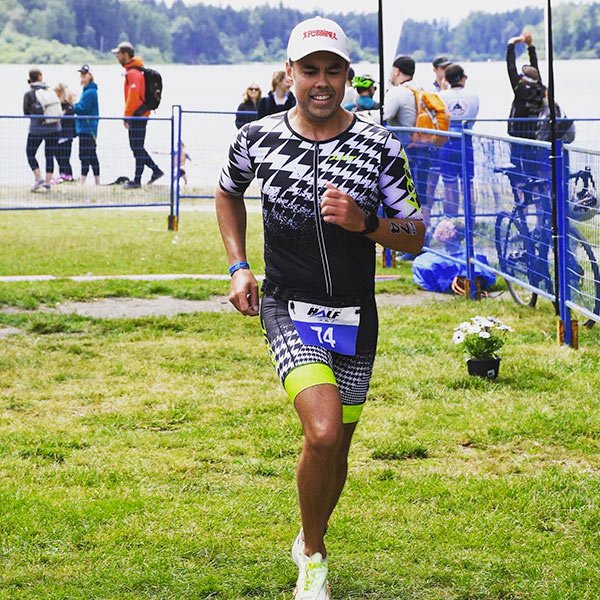 marathon, doing a triathlon all take time. If you've been told days and weeks, sure it could possibly work, but you have a high chance of slipping back to your old ways and to be honest, doing strict workouts or strict diets really don't seem sustainable or healthy for you. We only have one body and we need to nurture it, take care of it and allow it the time to adapt and to heal.
I hope my why has given some sort of relatable information for you. In the coming posts I do wish that you can use them in some way for your own lifestyle changes and endurance training benefits. I'm now 48 and am still loving the journey. I feel like i'm 20 again, i'm not because my recovery tells me so 🙂 but i've never been as fit as I am now, it's truly amazing and I want to be able to share with you my experiences to help you in your own journey.