
Training for your first marathon can feel exciting, intimidating, and slightly ridiculous all at the same time.
One day, you are thinking, “I could probably do this.”
The next day, you are wondering how anyone runs 42.2 kilometres without falling apart.
That is completely normal.
Your first marathon does not need to be perfect. You do not need to train like an elite runner, buy every piece of gear, or understand every training term before you begin. What you need is a simple plan, patience, consistency, and a clear idea of what matters most.
This guide will walk you through the most important first marathon tips so you can train smarter, avoid common mistakes, and arrive at race day feeling more prepared.
Quick takeaway: Your first marathon is not about being perfect. It is about building steadily, practicing the basics, and arriving at the start line healthy and prepared.
First Marathon Help
If you are training for your first marathon and want the process to feel less overwhelming, the Break My Ordinary First Marathon Guide gives you a beginner-friendly roadmap for training, race week, gear, fueling, and race day.
Before you worry about pace charts, shoes, watches, or training plans, start with your goal.
For your first marathon, the goal does not have to be a fast finishing time. In fact, for many first-time marathon runners, the best goal is simple:
Finish healthy, stay steady, and enjoy the experience.
That might not sound exciting at first, but it matters. A marathon is a big challenge. If you make your first one all about hitting a specific time, it can add pressure before you even begin.
A better approach is to ask yourself:
Those are great first marathon goals.
You can always chase a faster time later. Your first marathon is about learning what it takes, proving to yourself that you can do it, and building a foundation for whatever comes next.
One of the easiest ways to feel overwhelmed is to train without structure.
You run when you feel motivated. You skip when life gets busy. You do a long run one week, then barely run the next. Eventually, race day starts getting closer and panic sets in.
A simple training plan helps prevent that.
A good beginner marathon plan usually includes:
You do not need a complicated plan. You need one that fits your current fitness, your schedule, and your life.
The best plan is not the hardest one. It is the one you can follow consistently.
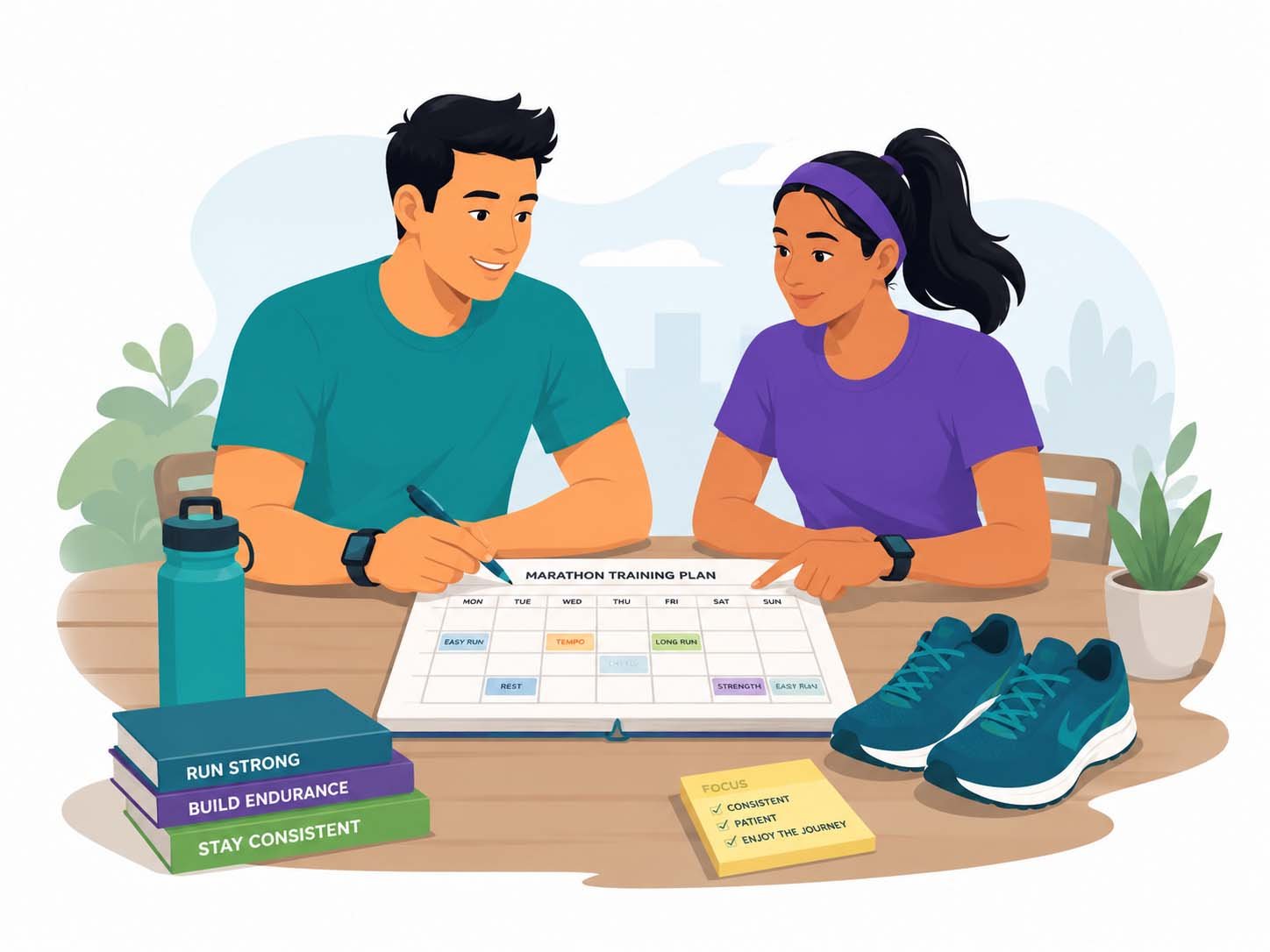
Your weekly long run is one of the most important parts of marathon training.
It helps your body get used to spending more time on your feet. It also gives you a chance to practice pacing, fueling, hydration, clothing, shoes, and mental focus.
But your long run should not feel like a race every week.
Most of your long runs should be done at an easy, controlled pace. You should finish tired, but not completely destroyed.
The goal is to build endurance over time, not prove your fitness every weekend.

This is one of the biggest mistakes new runners make.
Easy runs are supposed to feel easy.
That means you should be able to speak in short sentences while running. You should not be gasping, chasing a pace, or trying to beat your last run every time you head out the door.
Easy running builds your aerobic base, improves endurance, and helps your body recover between harder sessions.
If every run feels hard, you are probably running too fast too often.
For your first marathon, consistency matters more than intensity.
A marathon is not something you cram for.
You cannot skip weeks of training, panic, then suddenly pile on distance and expect your body to be happy about it.
Your muscles, joints, tendons, and bones need time to adapt. That is why gradual mileage is so important.
A smart beginner approach is to slowly increase your weekly distance and include easier weeks along the way. These lighter weeks give your body a chance to absorb the training.
Try not to think of recovery weeks as lost progress. They are part of the progress.
Also, if you miss a run, do not panic.
Missing one workout will not ruin your marathon. Trying to make up for it by cramming extra miles into the next few days might.
Simple rule: Do not chase missed miles. Get back on track.
Your body responds best to steady, repeatable training over time.
Fueling is one of the most important parts of marathon training, and it is something many beginners ignore until it is too late.
Once your long runs get longer, your body needs energy during the run. For most runners, that means taking in carbohydrates through gels, chews, sports drinks, or other simple fuel sources.
The key is to practice.
Do not wait until race day to find out whether a gel upsets your stomach or whether a sports drink works for you.
Use your long runs as practice sessions.
Before race day, you should know what breakfast works for you.
Some runners like toast with peanut butter. Some like oatmeal. Some like a bagel, banana, or simple carbs that are easy to digest.
The exact meal is less important than knowing it works.
Your race-day breakfast should be familiar, simple, and tested.
Do not wake up on marathon morning and try something new because you saw another runner eating it.
You should also practice taking fuel during long runs.
This helps you learn:
A marathon is long enough that poor fueling can make the final kilometres much harder than they need to be.
Training your gut is part of training your body.

Race day is not the time to experiment.
That applies to shoes, socks, shorts, shirts, sports bras, hats, belts, watches, gels, and anything else you plan to use.
Nothing new on race day.
Your long runs are your testing ground. Wear the shoes you might race in. Try the socks. Test the shorts. Use the same fuel. Figure out what rubs, what moves, what annoys you, and what feels comfortable after two or three hours.
Small issues can become big problems during a marathon.
A seam that bothers you at 8 km might become miserable at 32 km. A shoe that feels okay for a short jog might not feel great after hours of running. A shirt that looks good might chafe once you start sweating.
Comfort matters.
Your race-day gear should feel boringly reliable. That is a good thing.
The first half of a marathon should not feel heroic.
One of the most common first marathon mistakes is starting too fast. Race-day excitement is real. The crowd is cheering, your watch says you feel amazing, and everyone around you seems to be moving quickly.
The problem is that the marathon does not really start to show itself until later.
If you go out too fast, you may pay for it in the final 10 km.
A smart strategy is to start controlled. Let the early kilometres feel almost too easy. Settle into your rhythm. Focus on breathing, form, and staying calm.
You want to reach the halfway point feeling like you still have work to do, not like you have already used up your best energy.
On race day, your effort can feel easier than normal because of adrenaline.
That is why pacing matters.
Try not to chase runners around you. Some of them may be running a different goal pace. Some may be more experienced. Some may also be starting too fast.
Run your race.
If the weather is warm, the course is hilly, or you feel nervous, adjust your pace by effort. A marathon is not just about hitting numbers on your watch. It is about managing energy over a long distance.
A controlled start gives you the best chance to finish strong.
Training does not only happen while you are running.
It also happens when you recover.
Rest days, sleep, easy runs, mobility, strength work, and nutrition all help your body adapt. If you keep pushing without recovery, you increase your chances of burnout, sickness, or injury.
Some tiredness is normal during marathon training. You will have days where your legs feel heavy. You will have runs that feel harder than expected. That does not always mean something is wrong.
But sharp pain, worsening discomfort, or pain that changes your stride should not be ignored.
The goal is not to be tough every day. The goal is to make it to the start line healthy.
Recovery is not weakness. It is part of the plan.
You do not need to become a bodybuilder to run your first marathon, but basic strength training can help.
Strength work may improve your durability, posture, and ability to handle the repeated impact of running.
For beginners, simple is best.
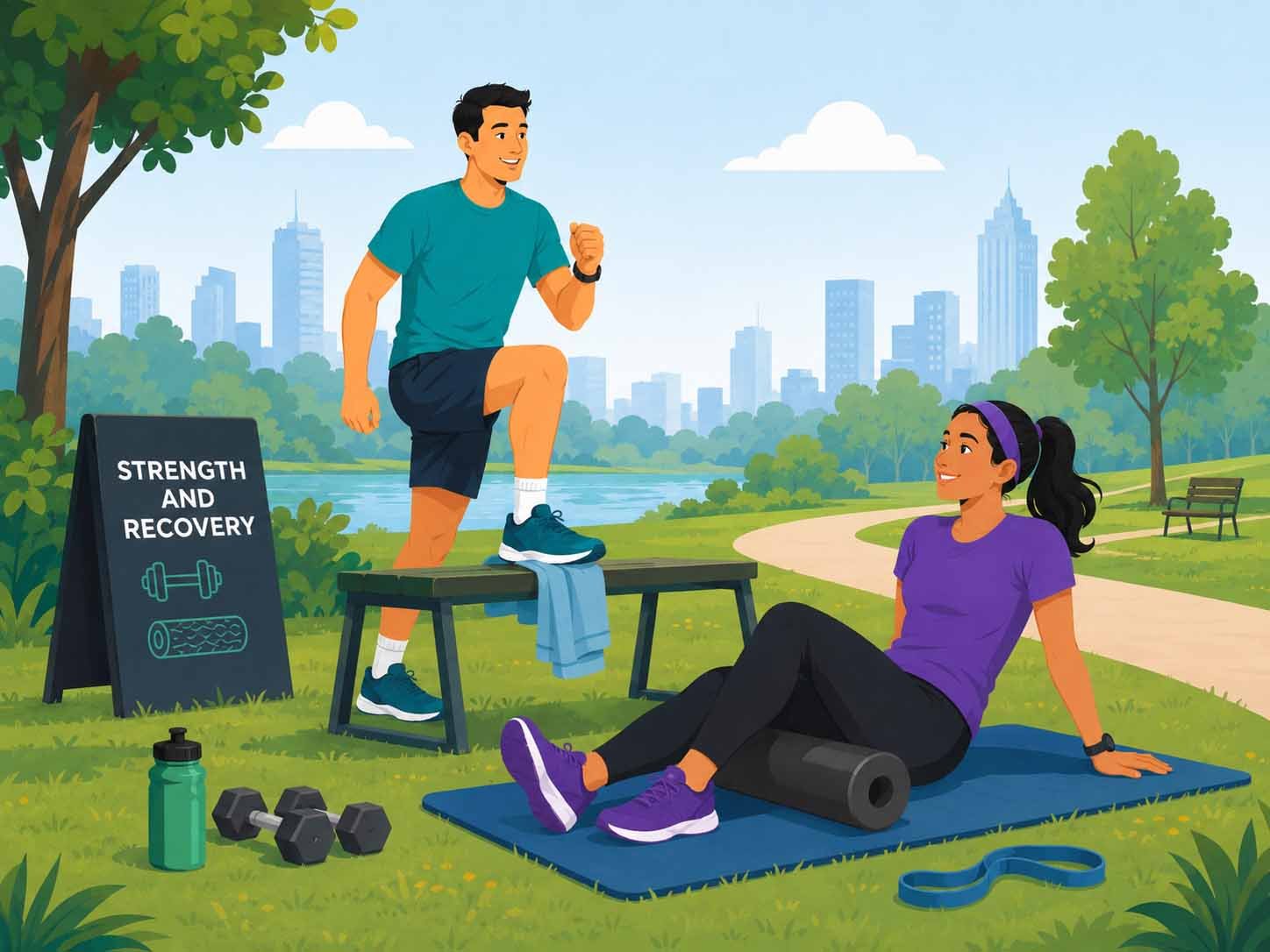
Focus on movements like:
You can start with one or two short strength sessions per week.
The goal is not to crush yourself in the gym. The goal is to support your running.
A little strength work done consistently can go a long way.
The final week before your marathon can feel strange.
You may feel excited, nervous, tired, restless, or convinced that you have not done enough. Many runners experience this.
But the final week is not the time to gain fitness.
It is the time to rest, sharpen up, and prepare.
Do not try to squeeze in one more big workout. Do not test new shoes. Do not suddenly change your diet. Do not panic because you missed a run three weeks ago.
Your job during race week is to keep things simple.
Focus on:
The calmer you can make race week, the better.
Race week reminder: The final week is for resting, organizing, and trusting your training. It is not the time to add more pressure.
Maranoia is that nervous feeling many runners get before a marathon.
You start questioning everything.
Did I train enough?
Is that little ache something serious?
Should I change my shoes?
Should I run one more long run?
What if I forget something?
This is normal.
The best thing you can do is trust the work you have done and avoid making last-minute changes.
You do not need to feel perfect on race morning. You just need to be prepared.
One reason first-time marathon training feels overwhelming is that there are so many things to remember.
You are thinking about training, shoes, long runs, food, hydration, weather, race day logistics, bathroom stops, pacing, and what happens if things get hard.
A checklist can make the process feel much more manageable.
Instead of keeping everything in your head, you can organize the basics:
This is where a simple guide can really help.
If you want a beginner-friendly roadmap, the Break My Ordinary First Marathon Guide was created to make the process easier to follow. It helps you stay organized, avoid common mistakes, and feel more confident as race day gets closer.
You do not need to figure everything out alone.
The marathon will teach you a lot.
It will teach you patience. It will teach you how to keep going when motivation fades. It will teach you how to manage discomfort, doubt, excitement, and nerves.
Some runs will feel amazing. Some will feel awful. Some weeks will go exactly as planned. Other weeks will get interrupted by work, family, weather, travel, or life.
That is part of the process.
You do not need a perfect training block to become a marathon finisher.
You need to keep showing up, make smart choices, and give yourself enough time to prepare.
Start with a realistic goal. Follow a simple plan. Build gradually. Practice fueling. Use gear you trust. Pace yourself. Respect recovery.
Do those things, and you will give yourself a much better chance of standing on the start line ready for the challenge ahead.
Your first marathon is not just about running 42.2 kilometres.
It is about proving to yourself that you can do something hard, one step at a time.
Marathon Guide
If you are training for your first marathon and want a simple way to stay organized, download the Break My Ordinary First Marathon Guide.
It gives you a beginner-friendly roadmap for training, race week, fueling, gear, and race day so you can feel more prepared without overthinking everything.
Most beginners should give themselves several months to train. Many beginner marathon plans are around 16 to 20 weeks, depending on your current fitness and running background.
No. Most beginner marathon plans do not have you run the full 42.2 km before race day. Long runs help prepare your body, but you usually save the full distance for the actual marathon.
Some of the biggest mistakes are starting too fast, building mileage too quickly, skipping recovery, and not practicing fueling before race day.
Use whatever you practiced with during your long runs. Many runners use gels, chews, sports drinks, or other simple carbohydrate sources. Race day is not the time to experiment.
For many first-time marathoners, the best goal is to finish healthy, stay steady, and enjoy the experience. You can always chase a faster time in a future race.
Packing for a marathon goes beyond just putting together running gear. The right checklist ensures you’re prepared for race day and travel, minimizing stress and maximizing your performance. This guide is put together from the multiple destination races we've attended over the years. It will walk you through all the must-have items you need to make your experience smooth and efficient.
Running Shoes and Apparel One of the most important items for any race is your running shoes. Ensure they’re broken in and suitable for the distance you’re covering. Never try anything new on race day. Ensure you've had some training runs with the shoes you plan to run in before race day. Little rubs can turn into major issues halfway through a race. Pair them with moisture-wicking socks and apparel to keep you dry and comfortable throughout the race.
Hydration Essentials Staying hydrated is crucial for peak performance. A hydration belt, handheld water bottle, or CamelBak Hydration Pack can be lifesavers, particularly for long-distance runners. Depending on the length of time you are planning on running, handhelds or hydration packs can be great choices.
Energy Gels and Nutrition Fueling your body is key, especially for endurance events. Pack energy gels or chews like GU Energy Gels for a quick boost during the race.
Race Number Belt A race belt to hold your bib is a small but essential item that can save you the hassle of pinning and adjusting during transitions.
Cross-Body Bag A secure, well-organized cross-body bag like the Pacsafe Anti-Theft Crossbody Bag is ideal for carrying your passport, phone, wallet, and other essentials while traveling. These bags offer peace of mind with their anti-theft features, making them perfect for international races or trips with busy itineraries.
Portable Charger Endurance events can mean long hours away from power sources. A reliable portable charger ensures your devices stay charged for navigation, communication, and post-race photos.
Noise-Canceling Headphones Long flights or bus rides can be taxing, especially when you're trying to rest up before a big race. Pack a pair of Bose QuietComfort Earbuds to block out noise and keep you relaxed.
Packing Cubes Organize your gear efficiently using packing cubes. They make it easy to separate race items from casual clothes and recovery essentials.
Training Equipment For those planning to do light training before race day, a resistance band or TRX Suspension Trainer can help you stay warmed up and limber without taking up much space in your luggage.
Reusable Water Bottle Bring a refillable water bottle that you can use during travel to stay hydrated without buying plastic bottles.
Compression Socks These are great not just for post-race recovery but also for wearing during long flights or drives. Compression socks help improve blood circulation, reduce swelling, and accelerate muscle recovery.
Foam Roller and Massage Gun Recovery tools like a foam roller or a compact mini massage gun are perfect for massaging sore muscles after the race. They promote blood flow and relieve muscle tension, making them essential for any endurance athlete.
Ice Packs and Pain Relief Pack reusable ice packs or instant ice packs to manage post-race swelling and pain relief creams or patches for quick recovery.
Checklist Creation Create a personalized checklist based on the race location and type. If you're participating in an Ironman 70.3, you’ll need swimming, cycling, and running gear. For marathons, focus more on comfortable running attire, hydration, and nutrition.
Weather-Appropriate Clothing Research the race day weather ahead of time and pack gear accordingly. Consider lightweight, breathable gear for warm weather or moisture-resistant layers for cooler climates.
Backup Plans Always pack extra shoelaces, safety pins, and even a small sewing kit for emergencies. An unexpected mishap can throw you off, so it’s better to be prepared.
Pre-Race Nutrition Tips Ensuring proper nutrition starts well before race day. In the days leading up to your event, focus on a balanced diet rich in complex carbohydrates, lean protein, and healthy fats to maximize glycogen stores. Foods like whole grains, sweet potatoes, and lean meats can help sustain energy levels.
Hydration Essentials Dehydration can severely impact your performance, so plan your hydration strategy accordingly. In addition to your CamelBak Hydration Pack, bring along electrolyte tablets like Nuun Hydration Tablets to keep your electrolyte balance in check during longer events.
Travel Pillow and Blanket Long-distance travel can take a toll on your body. Invest in a travel pillow and compact blanket to ensure you rest comfortably, especially on overnight flights. This helps keep your body relaxed and reduces fatigue that could affect your race performance.
Jet Lag Management If you’re traveling across time zones, jet lag can interfere with your race preparation. Adjust your sleep schedule gradually in the days leading up to your travel. Use tools like blue light-blocking glasses to help regulate your sleep-wake cycle and prepare for the new time zone.
Pre-Race Stretches and Mobility Work Pack a resistance band or mini loop bands to facilitate pre-race stretches and dynamic warm-ups. Incorporating movements like hip openers, lunges, and banded side steps can help activate the muscles you'll rely on most during your race.
Basic First Aid Kit Always pack a small first aid kit with band-aids, antiseptic wipes, and blister pads to manage any minor scrapes or blisters that could develop during travel or the race. Quick fixes can help you avoid discomfort and prevent small issues from worsening.
ID and Emergency Information Carry an ID and a card listing emergency contact information, allergies, and medical conditions. This is particularly important if you're participating in an event abroad or far from home, as it ensures you receive appropriate care if needed.
Sun Protection Don't forget sun protection items, such as sunscreen with SPF 50 and a lightweight, moisture-wicking hat. Prolonged exposure to the sun can lead to fatigue and dehydration, so protecting your skin is crucial for both comfort and performance.
Packing for a triathlon or marathon goes beyond your standard travel checklist. It requires careful attention to your race day needs, recovery essentials, and travel comfort. By incorporating these detailed strategies and gear into your preparation, you can set yourself up for a successful and stress-free race experience. Following this guide will help ensure that when race day arrives, you’re fully equipped and focused on achieving your best performance.
Recovery is as crucial as training for endurance athletes, helping prevent injuries and improve performance over time. Whether you're a seasoned marathoner or prepping for your first triathlon, investing in the right recovery tools can make a huge difference. Here are the top 5 recovery essentials to keep you in peak condition.
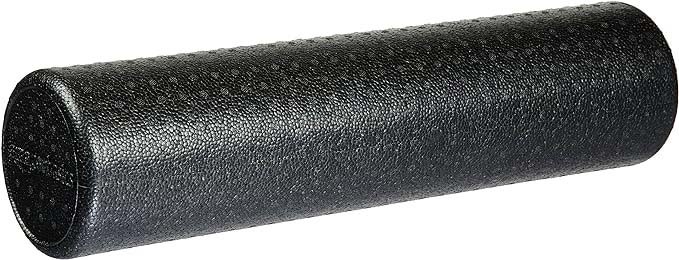
Foam rollers are excellent for relieving muscle tension and breaking down knots, which helps speed up recovery and increase flexibility. I've introduced this into my recovery routine over the last year and it has made a huge difference in how I feel over the course of a week in training.
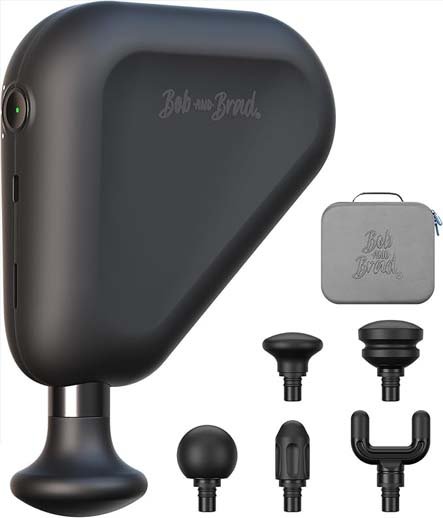
Massage guns offer deep tissue relief, targeting sore muscles and reducing post-exercise soreness. They’re highly popular among athletes due to their portability and effectiveness. You will find the massage gun comes in handy for times when you are just sitting and watching TV.
Compression socks are a great tool for recovery, helping increase blood circulation and reduce swelling. They’re ideal for long post-training recovery or even for use during light activities. They work great on long-haul flights by promoting circulation from the lower extremities also helping recovery.

Massage balls offer targeted pressure, perfect for smaller, hard-to-reach muscles that foam rollers might miss. They’re especially effective for foot and calf recovery. You can also activate the foot before you head out for a run or swim.
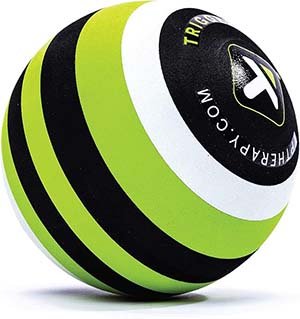
Cold therapy is a classic recovery tool, reducing inflammation and speeding up recovery by cooling muscles after intense workouts. Introducing ice packs is a must for any athlete looking to add to their recovery program.

Investing in the right recovery tools can help you train consistently and perform at your best. Try incorporating these items into your recovery routine to stay injury-free and ready for your next endurance challenge!
Are you ready to take on the challenge of running a marathon? Whether you're a seasoned runner or a complete beginner, marathon training can be a rewarding and life-changing experience. In this ultimate guide, we'll walk you through everything you need to know to prepare for your first marathon. From setting realistic goals to choosing the right gear, we've got you covered. Lace up your running shoes, and let's get started!
Marathon training is definitely more than just running long distances. It's about preparing your body and mind for the demands of a 26.2-mile (42.2 kilometer) race. Proper training helps you build endurance, improve your speed, and reduce the risk of injury.
A good training plan includes a mix of long runs, speed work, and rest days. It's essential to gradually increase your mileage to allow your body to adapt and avoid overtraining. Let's dive into the basics of setting your marathon training goals.
Setting realistic goals is the first step in your marathon training journey. Goals give you a clear focus and help keep you motivated. Here’s how to set achievable goals:
Example Beginner’s Goal: "Complete a marathon in under 5 hours within six months of training."
A well-structured training plan is crucial for marathon success. Here’s what a typical beginner’s plan looks like:
Sample Training Schedule:
Adjust the plan based on your progress and listen to your body.
Proper nutrition and hydration are vital components of marathon training. Here are some tips:
Experiment with different foods and drinks during training to see what works best for you.

Having the right gear can make your training more comfortable and effective. Here’s what you need:
Take the time to find gear that fits well and meets your needs.
Staying motivated throughout your marathon training can be challenging. Here are some strategies to keep you going:
Remember why you started and keep your end goal in sight.
The week leading up to your marathon and race day itself are crucial. Here’s how to prepare:
By following these tips, you'll be ready to take on your marathon with confidence.
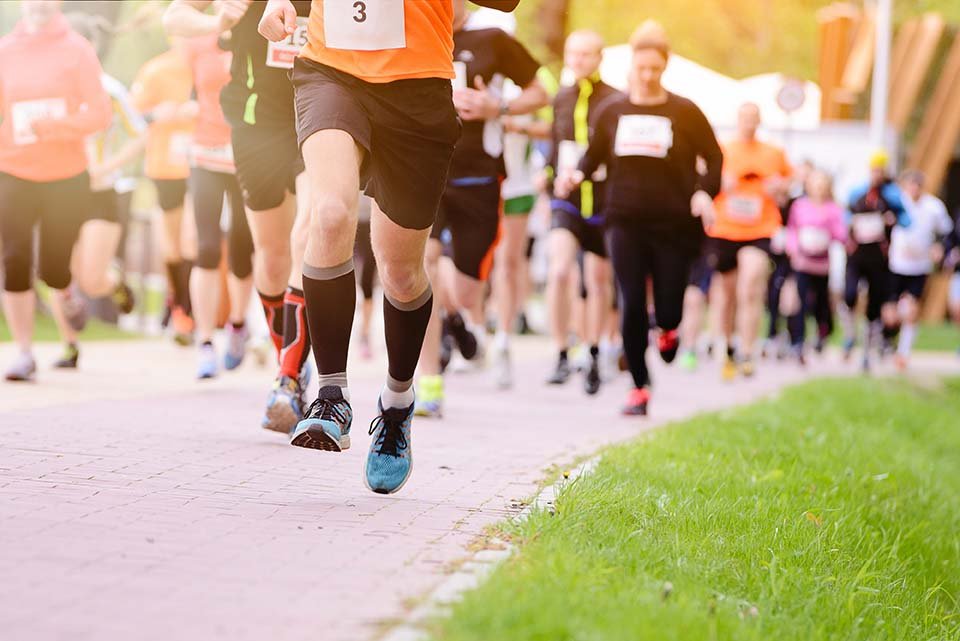
Congratulations! You've crossed the finish line of your marathon. While finishing the race is a huge accomplishment, your journey doesn't end there. Proper recovery is essential to help your body heal and prepare for future runs.
Recovering properly will help you bounce back stronger and ready for your next challenge.
Marathon training is a challenging but incredibly rewarding journey. By setting realistic goals, following a structured training plan, and taking care of your nutrition and gear, you’ll be well on your way to crossing the finish line. Remember, every step of the journey is progress. Find your race, start your training, and don’t hesitate to share your experiences or ask questions in the comments below. Happy running!
You've decided to embark on an adventure to the Mediterranean's gem, let us guide you through the mesmerizing journey of an Amalfi Coast honeymoon. As an enchanting landscape painted with turquoise sea, sun-kissed cliffs, and colourful dwellings, Amalfi Coast encapsulates the Italian dream, making it a perfect honeymoon destination. This guide will show you the many exciting things you can do and see in this wonderful place. You'll learn about delicious local food, interesting tours, fancy places to stay, options for renting a car, and amazing places to visit. Step out of the ordinary and dive into an unforgettable Amalfi Coast adventure designed to turn every moment into an everlasting memory. So, dream freely as we travel through the coastal paradise, and get ready to plan your dream Amalfi Coast honeymoon.
No trip to Italy is complete without delving into the depth of their culinary delights, and the Amalfi Coast is no exception. We had the chance to discover the incredible local flavors and dishes this stunning coastal region is known for. From luxurious dining establishments to charming local trattorias, every meal we had was a celebration of taste and flavor.
We were spoiled for choices with regional dishes like the 'Scialatielli ai Frutti di Mare', a type of pasta made fresh in-house, served with assorted seafood that pays homage to their coastal living. Not to mention the sea-inspired dishes such as 'Totani e Patate', a delicious mix of squid and potatoes that encapsulates simplicity and flavor, a trademark of Italian cuisine.

Photo credit: La Taverna del Duca (www.amalfilatavernadelduca.it/en/)
While savouring these delightful meals, what struck us most was the distinct ambiance of the Amalfi Coast's restaurants. Some with breathtaking sea views and warm, inviting interiors that reflect their sunny disposition. Others that were nestled within rustic alley ways looking out into the cultured architecture. Dining here was an experience in itself.
One piece of advice for those planning their Amalfi Coast honeymoon: make your dining reservations well in advance. These restaurants are highly sought-after and we can assure you, the effort does pay off.
These were some of our favorite places:
Immersing ourselves in the alluring local cuisine is part of the journey, and soon we embarked on the next phase: submerging ourselves in the rich cultural tapestry of the beautiful Amalfi Coast. It was not solely the scenic vistas that we sought to enjoy but also the essence of the Amalfi lifestyle reflected in its local customs, traditions, and people.
Our travels took us from concealed sandy beaches to enchanting vineyards, and from the timeless remnants of the coast's medieval history to the heart of its contemporary lifestyle. The subtle infusion of age-old traditions in everyday life acted as the perfect reminder of the splendor that is Amalfi Coast's heritage and modern vibrancy. What beguiled us the most was the adaptability of the local people who gracefully balance the allure of antiquity with the demands of the present.

Perhaps the most impactful were the locals who would share personal tales and anecdotes, symbolizing the living culture that thrives in this coastal paradise. Vividly recalling tales rooted deeply in rich history and folklore, their stories woven intricately into the fabric of everyday Amalfi life mesmerized us.
A quick suggestion for those embarking on this cultural immersion - dress comfortably and bring essentials like water, sunscreen, and your camera. You'll find the lifestyle vibrant and colorful, and you wouldn't want to miss chronicling these beautiful moments.
We discovered that the Amalfi Coast offers a grand spectrum of accommodation options depending on your preference and budget. From luxury seaside resorts offering breathtaking views of the azure Mediterranean to quaint bed and breakfast situated in cosy corners serving home-cooked Italian meals, we were spoilt for choice. Each place had its distinct charm, whether it was the stunning view, the welcoming decor soaking in romantic Italian vibes, or the unparalleled hospitality.

We chose to stay at Hotel Miramalfi, the place gave us access to unparalleled services such as spa facilities for that much-needed relaxation after a day of exploring, tours to the hidden gems of Amalfi Coast, and even private transfers. One of our days we made sure to spend it by the absolutely gorgeous pool that overlooked the endless sea. The warmth and welcoming spirit of the locals elevated our experience. Their genuine smiles and readiness to assist added a personal touch that hotel brochures can't capture.
Here are some other recommendations for accommodation:
There's a unique sense of liberty in driving along the stunning cliff-side roads of the Amalfi Coast. That's exactly why we decided to rent a car. It gave us the luxury of setting our own pace and the convenience to explore the hidden gems of the coast not generally covered in tours. However, Amalfi Coast roads are quite busy and narrow. You are constantly passed by motorcyclists coming up the middle and tour buses around very tight corners on roads that basically classify as single lane. All this while trying not to rub up against the cars parked on the side of the road. It's a different experience but, if you are confident in your driving ability you won't have any problem.

There are several car rental services across the Amalfi Coast, and each service comes with its unique offering. We found simplicity by just prebooking with Expedia since we were flying into Rome. We spent a few hours in Rome and then drove from there to Amalfi. The process was straightforward, with the standard requirement of a driving license and a credit card for security deposits. There were of course your luxury cars that you could rent (SixT), and if it fits your budget, go for it! Nothing like driving the roads of Italy in true fashion. However, the Amalfi Coast roads are twisty and narrow and our recommendation is to go for something small like we did, a Fiat. I could drive anywhere, park everywhere and keep fuel costs low.
Driving in a foreign country can be daunting but with a bit of research and preparedness, we were good to go. Italian drivers are known for their gusto, but the friendly and helpful locals were always ready with tips and advice for navigating the roads. Cruising from quaint Sorrento to picturesque Positano, and from scenic Ravello to lively Amalfi, we discovered spots that would've been otherwise missed. Remember, hidden places hold a beauty that awaits admiration. Such is the charm of an Amalfi Coast honeymoon - surprises at every corner.
Our Amalfi Coast journey wouldn't be complete without diving into the sightseeing marvels this coastal paradise offers. The charming towns are sprinkled with famous, and lesser-known, spots that provide unique experiences and panoramic views, which will leave you awe-struck.

One of our first noteworthy adventures was the captivating hike through Italy's famous 'Path of the Gods', locally known as 'Sentiero degli Dei'. This remarkable trail winds its way along the Amalfi Coast, delivering awe-inspiring, panoramic views of the captivating coastal landscape at every twist and turn. Energized by the fresh, crisp air, it was an experience that truly made us feel on top of the world. We started in Bomerano and hiked our way to Positano. There are several ways to explore this hike. You can either drive or bus to Bomerano, begin the hike to Nocelle, and then bus back. Or you can walk from Nocelle to Positano and take a ferry back to Amalfi (word of warning if you don't like stairs, there are over 1000 steps down). We decided to hike the whole way and yes, our legs were really tired!
The history of the vestige monuments and cultural landmarks revealed significant aspects of the Coast's rich past. When you walk into the main town square, 'Piazza Duomo', one thing becomes apparent. The stories etched in stone and soaked in the grandeur of the magnificent Duoma di Amalfi cathedral located up top a set of stairs. Within the Piazza there are also several shops, restaurants, and cocktail bars all along the long road that travels towards the beautiful mountain backdrop.

Ravello, another stop in our itinerary houses the ancient, mystic Villa Rufolo. A very history rich place to visit with incredible gardens and even more stunning backdrop of the sea. There were so man little stores to walk into and wherever you looked seemed to be another beautiful sight. Before we left, we ended up staying till the evening to watch a concert put on by one of the local artists in the Piazza Centrale. A great way to end our adventure to Ravello.
Timing, they say, is key, and we found it to be especially true when it comes to sightseeing. Planning was essential to ensure we visited the sights during quiet hours, enabling us to peacefully absorb the beauty, unhampered by bustle. Getting around Amalfi is best enjoyed by walking around the narrow, colorful lanes and choosing public transportation or the car rental we previously arranged.
Having keenly absorbed and imbibed their vibrant culture and exquisite landscapes, saying ‘Arrivederci’ to the Amalfi Coast was especially hard. But, as our perfect Amalfi Coast honeymoon came to a close, we were left with unforgettable memories that we would cherish for a lifetime. We needed to make our way back to our Hotel and drive back to Rome the next Day.
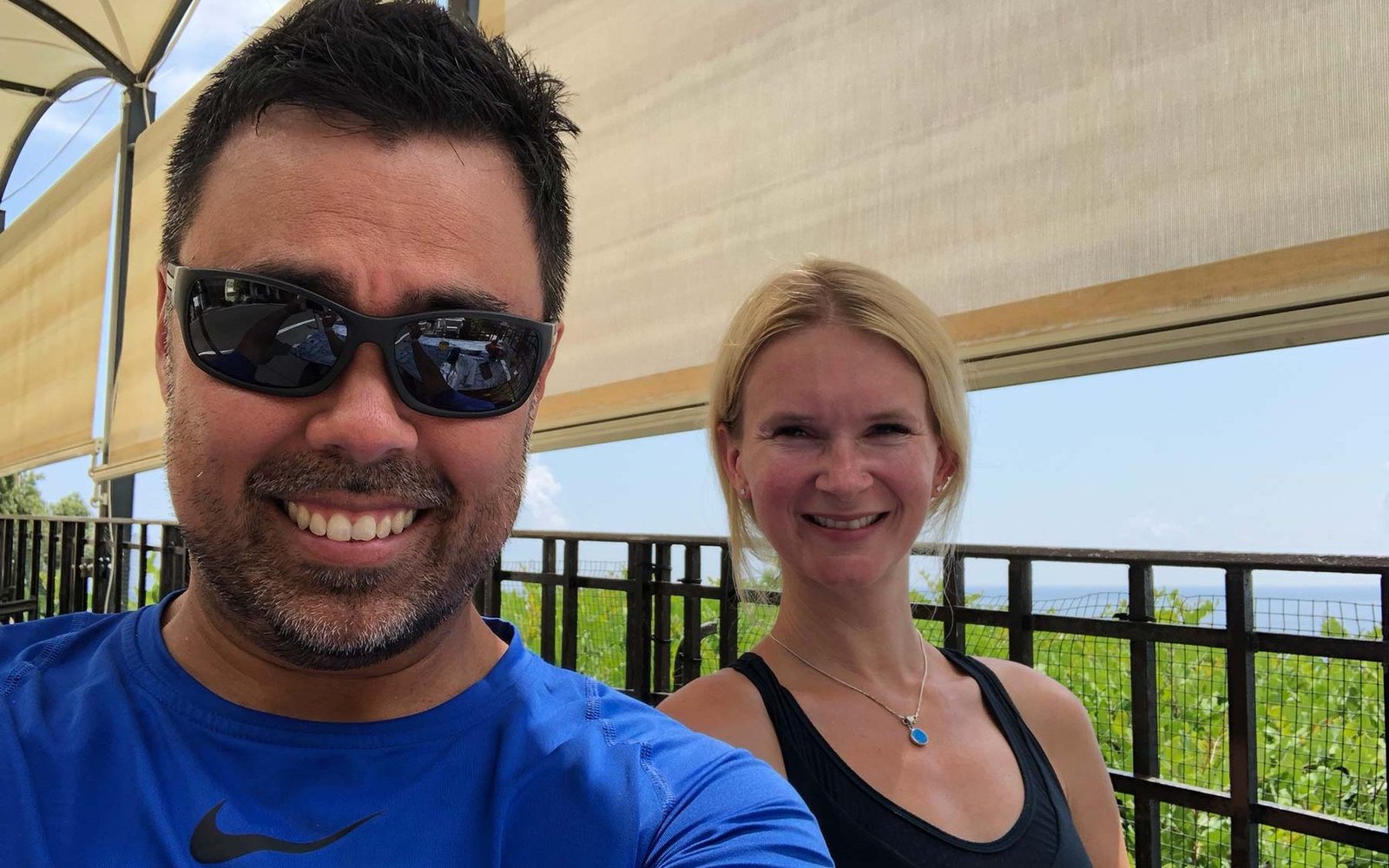
Experiencing an Amalfi Coast honeymoon adventure is something truly magical. The allure and irresistible charm of the coast is so captivating that it touches your heart. Imagine exploring a variety of delicious local foods or being guided through some of the most insightful tours here. Cozy and friendly accommodations are just the icing on the cake. All in all, a honeymoon on the Amalfi Coast will expose you to a whole range of exciting and varied experiences, making it a unique and unforgettable adventure.
Choosing to drive through the vast coastal roads taking you to both hidden and well-known landmarks adds an exciting layer to your honeymoon experience. Don't forget about the many places to visit that are rich in history, showcasing the local culture, and offering unparalleled scenic views. Each of these elements together makes your time here a lasting memory. As you start this new chapter of your life, consider the Amalfi Coast as your honeymoon destination to make it even more special. Life's too short for ordinary experiences, so why not add some magic? Enjoy the adventure and let the Amalfi Coast set the stage for your honeymoon, making it the first of your many beautiful life adventures.
Triathlons are the ultimate test of endurance and athleticism, encompassing swimming, cycling, and running. While each discipline is crucial, the swim leg often takes center stage as the race begins. It's the opening act that sets the tone for the entire performance, making swim speed a critical factor in triathlon success. Every triathlete strives to swim faster and knows the lengths and hours that need to be put in to achieve this.
Naturally, it became the one discipline that made me nervous and anxious to take on. As a kid I completed the standard swim lesson program at the local pool. I also participated in some swim meets in elementary school. However, that was the extent of my swimming career, other than the weekends at the lake or the hotel pool.
With my limited swim background it has been a struggle to swim faster for any length of time. I'm not the fastest in the pool, my watch (Garmin Fenix 6s) tells me 1:52/100m at the time of writing this. That has been almost 3 years in the making. I can remember when I started i'd say it was more like 2:30/100m. You can see that it takes a while to make gains in speed, and the faster you get the longer and more difficult it becomes to shave off seconds.
In this article I want to let all the new triathletes and swimmers out there, and perhaps even the seasoned to stay determined and consistent in order to swim faster. I'll share with you my insights and training techniques that I hope can help you achieve your swimming goals. Whether you're striving to improve your swimming technique, boost your physical strength, or fine-tune your breathing, I hope my experiences can help you.

A regular occurrence for me is when i'm standing on the pool deck, goggles suctioned to my face. I glance around and see at least a handful of swimmers kicking with boards, another three with pull-buoys, and two more sculling. Seeing this confirms that swim technique is truly an important piece of the puzzle in order to swim faster. What i've been told and taught, either by my coach or watching countless hours of video, is to work on these four elements of the freestyle stroke:
Body position
Maintaining the right body position in the water is essential for minimizing drag and maximizing speed. I'm constantly being told to ensure my head, butt, and heels are touching the surface. If the head or butt are pushed up too high then the legs will sink down and create resistance. Engaging the core and keeping a tall body with a neutral spine can help reduce resistance and drag. Here are some things I focus on:
Practice doing these drills: 6 kick switch drill and streamline drills. Warm-up then perform 4x50 as 25 drill and 25 swim. For streamline you can practice making sure you push off the wall with your body as narrow as possible in that "superhero" position to gain as much distance as you can.
Kick
A strong and efficient kick is a crucial part to swimming faster. Although, the kick doesn't contribute much towards propulsion in distance swimming, proper execution and practice are essential. Having a strong kick helps to engage the core but, an inefficient kick can cause the legs to sink and create drag through the water. When I first got back into swimming, I remember kicking like I was riding a bike and my legs would just sink. My heart rate would sky rocket but I wouldn't get faster, I was just expending more energy. I decided I needed to focus on my kick, I used the tips below and worked on them at least once a week:
To improve your kick try some kick sets, I typically do this after my warm-up:
5x200m (200m easy swim > 150m swim/50m kick > 100m swim/100m kick > 50m swim/150m kick > 200m kick).
Breath
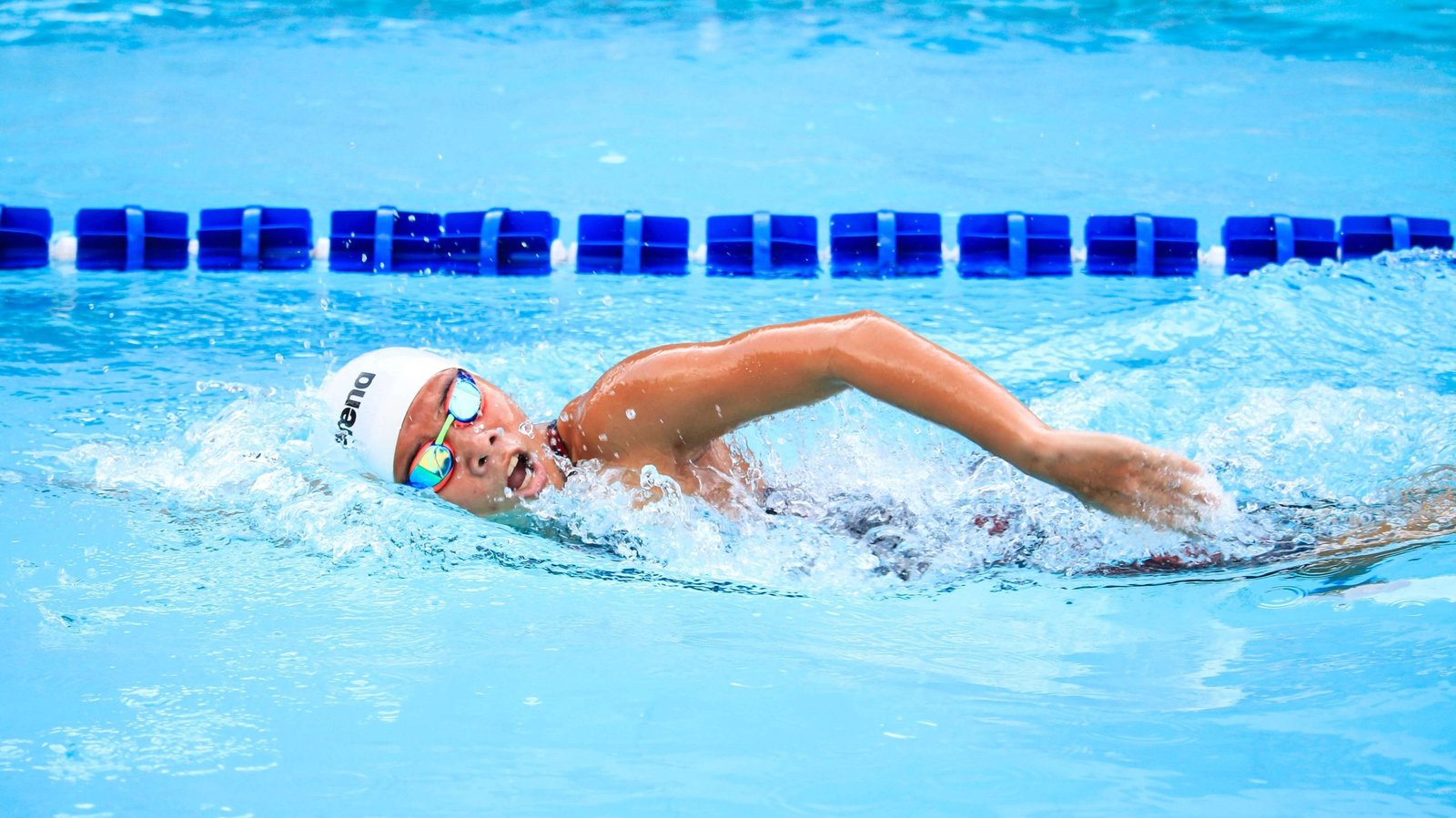
This is one I continuously have issues with. Breathing in freestyle swimming isn't a natural thing, having my face down in the water while doing exercise is difficult. Breathing patterns are essential for maintaining speed and ensuring you get enough oxygen. If you can keep your breathing under control, then you can essentially swim for miles. Here are some things I like to focus on:
Here are a couple drills I do. My swim coach also prescribes these in our group sessions:
Pull-buoy with alternating breathing patterns, 2x200m (Alternating every 50m, breath every 3 strokes/5 strokes). See if you can get yourself up to 7.
I also like to just do some simple sink downs after my warm-up. Deep breath in then sink down exhaling out the mouth or nose and push back up. Keeping myself relaxed and being comfortable underwater.
Stroke
This is the where the power and speed come from. The arm stroke is what propels you through the water. It enables triathletes to maintain a steady rhythm, conserving precious energy for the bike and run segments. The more water you can "grab" the more you can push behind you. I mentioned above that I managed to shave-off close to 30seconds from my per 100 time. Most of that came from working on the four elements of the stroke: catch, pull, finish, and recovery.
You need to be strong to push through the water like a fish and have the endurance to keep going without running out of breath. That's where strength training comes in, it gives you the power to move through the water like you're on a mission. I noticed a big difference when I focused on specific exercises in my strength training.
Hit the gym
To become a strong swimmer, you'll need to hit the gym (or your living room) and try some special exercises. Push-ups, squats, pull-ups, and planks are your new best friends. These exercises work your arms, lats, legs, and core, making you a swimming machine. Don't forget those flutter kicks – they're like turbo boosters for your legs. You can also mix in some resistance band workouts to focus on your stroke and mainly the pull phase. You can add in 4x30 reps (each arm) after one of your workouts.

Cross-training
Cross-training means doing other sports or exercises to help your swim performance. Think biking, running, or yoga. They help balance your body, improve flexibility, and prevent boredom – plus, they make you an all-around athlete. If you are already training for a triathlon you have these areas covered. One exercise that isn't included in this that I found helped my high aerobic zone and breathing for swimming was the rowing machine. You can find multiple workouts online but, I would do 2500m pieces after a workout. Starting slow into a faster race type pace, then into a cool down.
The journey to becoming a faster and more efficient swimmer is a challenging one, but it's filled with valuable lessons and rewards. As i've discussed, improving your swimming technique by focusing on body position, kick, breath, and stroke is crucial for gaining speed in the water. Consistency and determination are your friends on this path, and any progress you make is a testament to your dedication. Incorporating strength and conditioning exercises, along with cross-training, will give you the power and endurance needed to excel in the swim leg of the triathlon. If you're a new triathlete or a seasoned swimmer, the journey to swim faster is a continuous so, stay committed, keep working on your skills, and let your passion for swimming drive you toward your goals.
For those who are passionate about both running and travel, the idea of combining these two interests is a match made in heaven. Running a marathon in a new destination not only fulfills our athletic ambitions but also opens the door to unique cultural experiences, breathtaking landscapes, and unforgettable memories. You will be pleasantly surprised just how many places you can visit where there is a marathon waiting for you to run. If you've never considered it before, here are some compelling reasons why running a marathon is a fantastic excuse to travel.
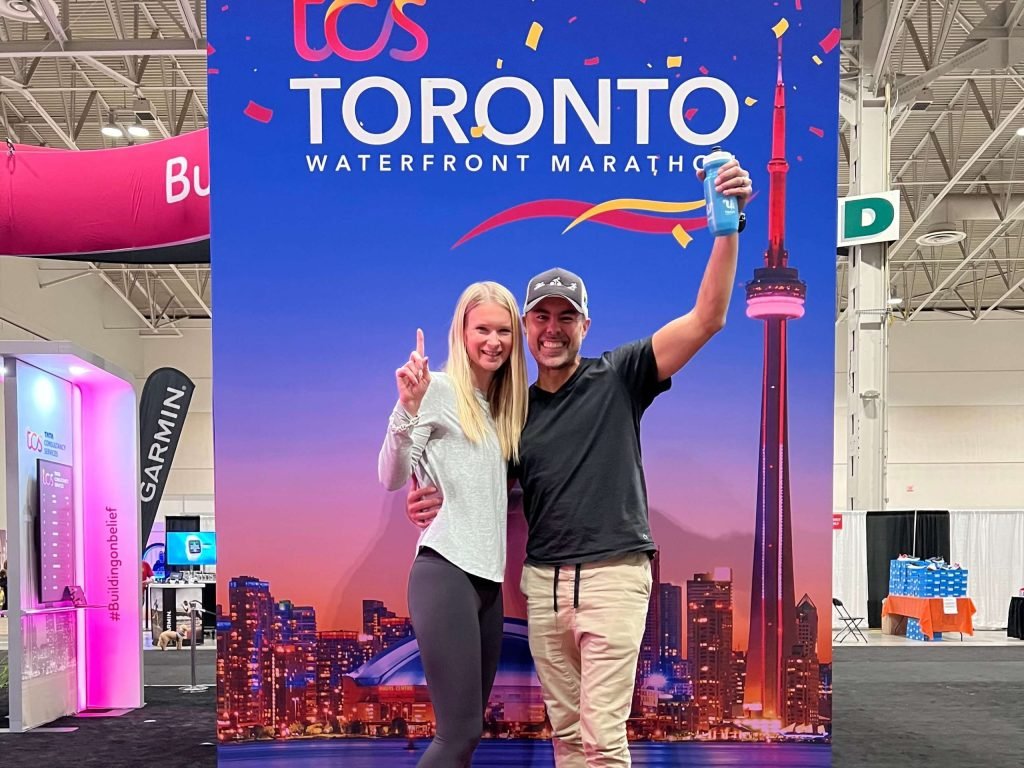
One of the most exhilarating aspects of running marathons in different locations is the opportunity to explore new destinations and cultures. Traveling for a marathon means venturing beyond your local routes and discovering destinations you might have only dreamed of visiting. Each new race location offers fresh terrain to conquer, from the urban streets of major cities to the serene beauty of countryside routes. It also boosts your commitment to the training. You've booked the flight and hotel, now you need to make sure you get those long runs in! Having something to look forward to makes the whole process exciting.
Running a marathon in another country or city provides a unique way to immerse yourself in a different culture. As you interact with local runners and spectators, you gain insights into their traditions, language, and way of life. Sharing the race with locals and fellow international runners creates a sense of unity that transcends language barriers. You may find yourself tasting authentic cuisine at pre-race pasta parties, witnessing local customs during race festivities, or simply exchanging smiles with fellow runners along the route. These cultural encounters turn a marathon into a profound and memorable cross-cultural experience. It can also be a wonderful way to soak in the city, to see areas that you may have otherwise missed.

Many marathon races are designed to showcase the natural beauty of their host regions. Imagine running along the picturesque coast with the sound of crashing waves in the background or through lush forests with the scent of pine in the air. The beauty of the landscape can be an inspiring backdrop to your race, making the experience even more unforgettable. Whether you're running amidst the breathtaking fjords of Norway, the vineyards of the Napa Valley, or along the Great Wall of China, the scenery provides not only a visual treat but also a constant source of motivation.
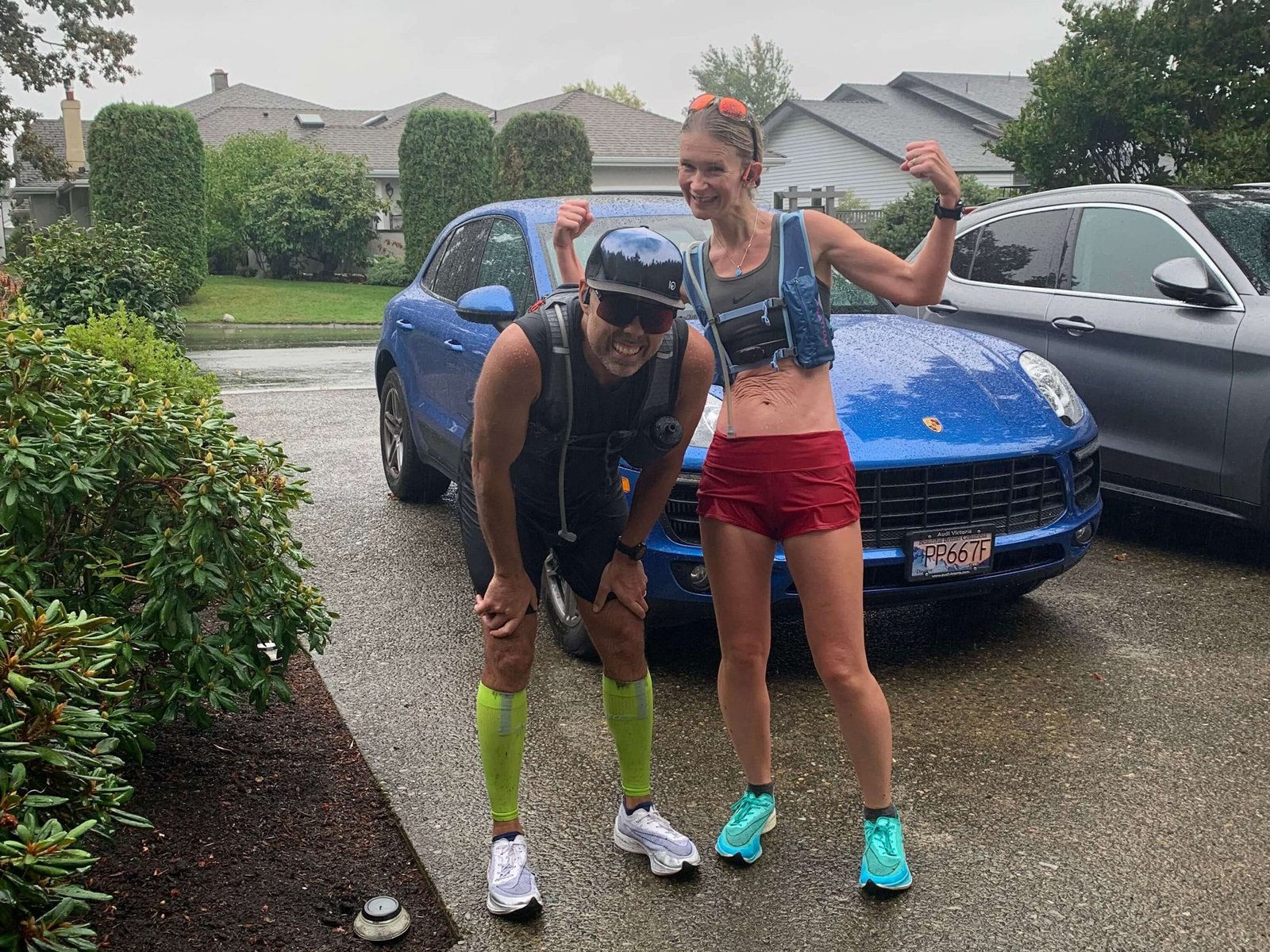
Running a marathon is a challenge that unites people from all walks of life. Traveling for a race gives you the opportunity to meet like-minded individuals who share your passion for running. Whether you're exchanging stories with fellow runners at the starting line, forming lasting friendships with your travel companions, or simply sharing the highs and lows of the race with others, the marathon community is a warm and supportive one. The connections you make during these adventures can extend beyond the race itself and result in lifelong friendships.
Running a marathon in an unfamiliar place can be a test of personal growth and resilience. Navigating new environments, dealing with unexpected challenges, and pushing through discomfort can lead to significant personal development. The experience can boost your confidence, independence, and adaptability. You'll return home not only with a marathon medal but also a stronger sense of self, having conquered not only the race but also any uncertainties that arose during your journey.

If you needed an extra push to justify your travel dreams, running a marathon provides the perfect excuse. It's not just about running; it's about the entire journey. From the moment you start planning your trip to the exhilarating post-race celebrations, the entire experience is an adventure that you eagerly anticipate and remember long after the race is over. The marathon becomes the centerpiece of a larger travel narrative, transforming your journey into a multi-layered exploration of both the destination and your own capabilities.
The memories created while traveling for a marathon are some of the most enduring. You'll always remember the stunning views that unfolded before you, the camaraderie with fellow runners from around the world, and the sense of accomplishment as you crossed the finish line in an unfamiliar place. These memories become a part of your life story, enriching your personal tapestry. They're the tales you'll share with friends and family, the stories you'll revisit to relive the excitement and adventure of your marathon travel experiences.
Running a marathon in a new destination is a powerful way to combine your passion for running with the joys of travel. It's not just about running; it's about the entire journey, from planning your trip to post-race celebrations. Traveling for a marathon becomes an adventure that you eagerly anticipate and remember long after the race is over. Happy running and happy traveling!
As an age group triathlete well into my 40s, I've come to realize that agility and endurance alone are not enough to stay ahead in this sport. Over time, I've begun to deeply appreciate off-season strength training. With age, we experience a loss in muscle mass and strength. This can affect our performance during triathlon events. But where there's a challenge, there's an opportunity.
This led me to turn towards the off-season, focusing on improving my strength. I want to share my personal journey of how I utilize the off-season to make improvements in strength and injury prevention. Designed specifically with the over-40 triathlete in mind. From my own discovery of off-season training, to understanding how mobility exercises, recovery techniques, and heavy lifting blended with hypertrophy can all converge to optimize strength. I aim to cover all aspects of an effective training regime. My goal here is not just to chronicle my experience, but to empower each one over the age of 40 to make informed decisions about their training regimens.
For athletes over 40, the physical changes that accompany aging - muscle loss, decreased endurance, and slower recovery times - present a vital consideration in designing an off-season training plan. Strength training can serve as a potent avenue to offset these changes, with uniquely crafted workouts aiding in fortifying muscle mass and boosting endurance.
Concentrated strength exercises during not only replenish weakened muscles but also enhance your stamina and performance. Thus, when the triathlon season arrives, you'll be ready with improved endurance, rather than spending precious time getting back in shape.
Injuries can be a major pitfall for athletes in this age bracket, especially musculoskeletal ones that stem from weakening muscles and tendons. Off-season strength training fortifies the musculoskeletal system and prepares the body for the rigorous activities that a triathlon presents, effectively reducing risk of injury.

Psychological readiness is another resultant benefit. Achieving physical goals during strength training boosts self-confidence, mentally preparing triathletes for the demanding phases of the triathlon. This positive mindset greatly enhances performance when it matters most.
Finally, strength training also helps with fitness longevity and improving overall body composition. The muscle gain counteracts age-related fat gain, maintaining a balanced body composition. This is integral to personal health and performance. So, as we can see, off-season strength training is not just about winning races but promoting a healthier, fitter lifestyle.
Moving forward, choosing the right workout regimen is crucial, especially when catering to individual needs such as age, fitness level, and injury histories. This choice warrants proper research and planning, as the next section discusses.
Strength training workouts are not a one-size-fits-all solution. It depends on an array of personalized variables, including age, fitness level, past injuries, and even the goals you're striving for in the next season.
One pivotal point that should not be overlooked is the importance of getting the form and technique right. Even with light weights or easier exercises, incorrect form can lead to injury instead of increasing strength. Therefore, it is paramount to ensure all exercises are performed accurately to reap maximum benefits and minimize potential risks.
Diversity in training not only keeps your workouts exciting but also helps prevent a plateau. A well-rounded regimen helps maintain all aspects of fitness, from strength and power to agility and endurance, keeping your body in optimal shape all year round.

Along the same note, guidance from certified trainers or coaches can be invaluable. They can offer expert insights on designing and supervising your strength training workouts. Their knowledge and experience are critical in tailoring exercises that are safe, effective, and specific to your needs.
When it comes to selecting individual exercises, it's good to include ones that engage multiple muscle groups. For instance, compound exercises such as deadlifts, squats, and push ups, are excellent for building overall strength and muscular endurance. However, it's important to understand that heavy lifting is only part of the picture. Bending it with hypertrophy training can help achieve the ultimate off-season strength, discussed in detail in the following section.
To ensure your workouts are well-rounded, it's beneficial to consider varying the type of strength training you do. Incorporating a combination of heavy lifting and hypertrophy can amplify the outcomes of your off-season training.
Heavy lifting and hypertrophy are two sides of the same coin, both contributing towards building a stronger body, albeit in different ways. Heavy lifting focuses on maximizing strength and power, while hypertrophy training, uses high repetitions with moderate weights, targeting muscle endurance and size.

By coupling both heavy lifting and hypertrophy in off-season strength training schedules, triathletes can benefit from an excellent synergy of power, endurance, and durability. This varied approach also reduces the risk of plateauing. Your body will continuously adapt and grow with the changing stimulations.
However, pairing these two methodologies should be done cautiously. Overdoing either can lead to overtraining or worse, injury. Customizing a balanced plan based on the triathlete's current fitness level, abilities, and specific areas of improvement can help mitigate these risks while enhancing improvements.
There's a catch: neither heavy lifting nor hypertrophy would work effectively if the body lacks mobility.
Having incorporated heavy lifting and hypertrophy into your training, it's time to turn your attention to mobility exercises. Poor mobility can affect quality of performance and increase the risk of injuries. Mobility can make all the difference in your approach to each of the triathlon's three events - swimming, cycling, and running.
Mobility exercises enhance flexibility and facilitate a wider range of motion. Improving functional strength that is crucial for the mechanic variety in triathlon events. This expands your body's ability to generate power, helping you turn the pedals more powerfully or improving your swimming stroke.
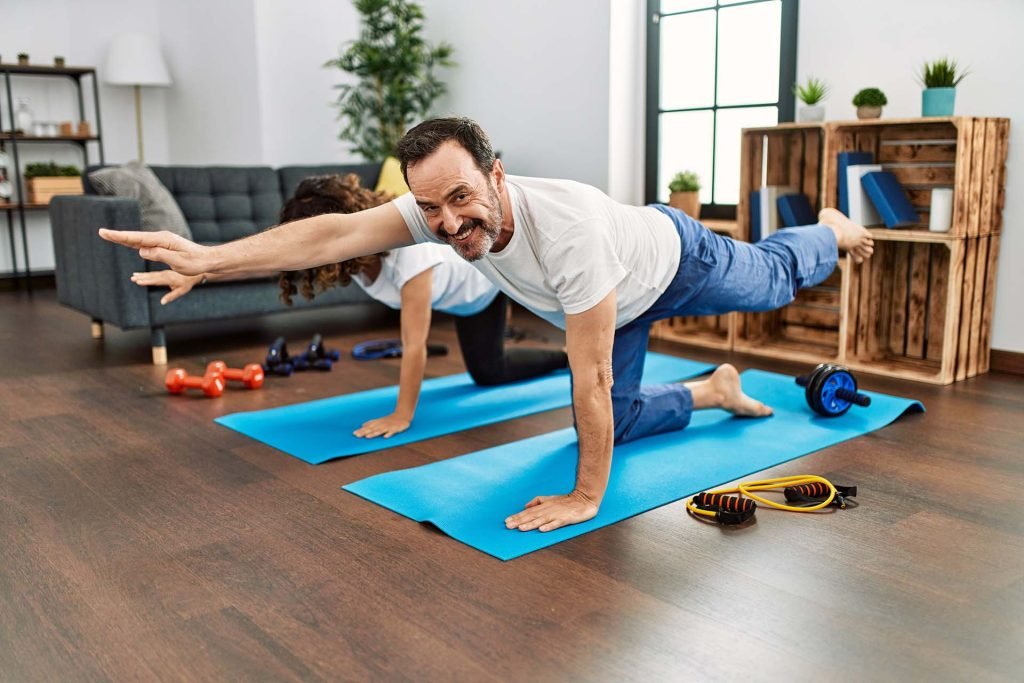
Additionally, proper alignment and posture significantly depend on your mobility. For over-forties triathletes, mobility exercises play a fundamental role in re-aligning the body's posture. Which assists with better form during events and reduces the likelihood of injuries.
Also, these exercises can reduce muscle stiffness and soreness, fostering faster recovery, and minimizing time off from training. By improving muscle elasticity and flexibility, your body becomes more efficient and less prone to nagging aches that often slow down athletes.
In the coming section, the implementation of well-planned recovery techniques will round off a comprehensive off-season strength training program for triathletes over 40.
It can be easy to overlook one of the most vital aspects of any fitness regimen: recovery. Without ample recovery, even the best-designed training plans can result in injuries or poor performance in the long run. When it comes to off-season training, integrating effective recovery techniques is indispensable.
Recovery techniques encompass a broad spectrum of activities, stretching being the most common. Stretching after strength training helps alleviate muscle tightness, enhance flexibility, and promote faster muscle repair. Sleep is also vital. During deep sleep your body goes to work repairing muscle tissue, replenishing energy stores, and resetting the nervous system.
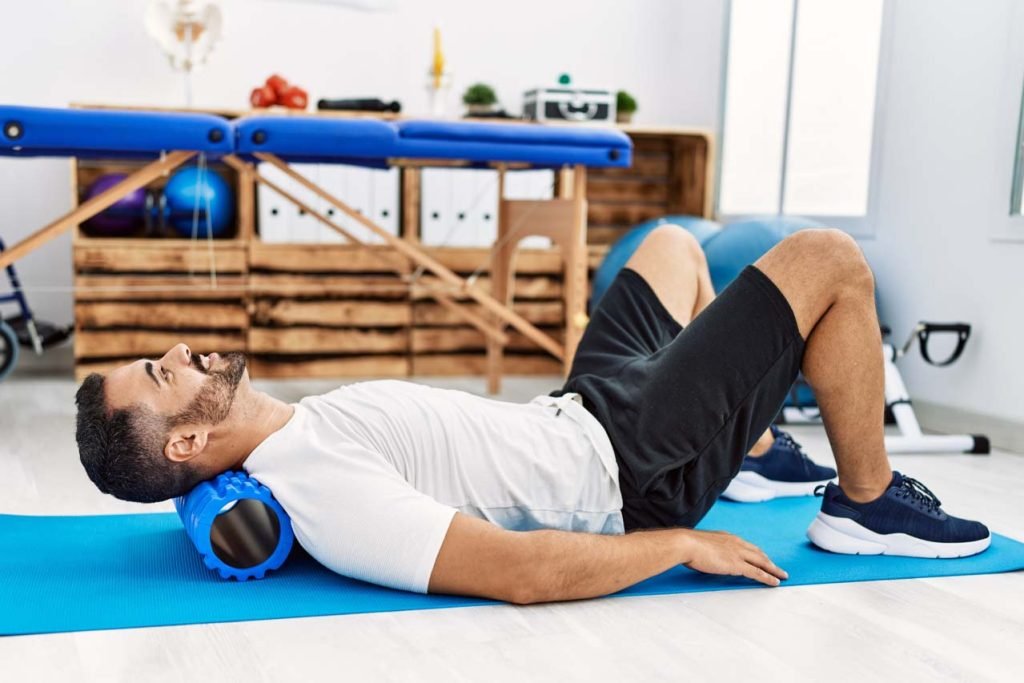
Another essential aspect of recovery is nutrition. A diet rich in lean proteins, complex carbohydrates, and healthy fats will fuel both your workouts and recovery. Hydration also plays a crucial role by helping flush out toxins and transporting nutrients to replenish your energy stores.
Supplemental to these methods are recovery aids like foam rollers, massage, and compression. Each of them contributes towards muscle recovery, reducing inflammation, and enhancing blood circulation.
Then there's mental recovery. Techniques such as deep-breathing, meditation, and visualization can all help manage stress, improve focus, and mentally prepare for the demands of triathlon.
Achieving optimal performance requires much more than just rigorous training. By integrating strength training, mobility exercises, and recovery techniques into your off-season regimen, you can lay a solid foundation for performance improvements. Such comprehensive training will not only keep you competitive but also ensue longevity.
Off season triathlon strength training over 40 presents a well-rounded approach to enhance performance and support a healthier, more athletic lifestyle. This strategy involves understanding the importance of off-season strength training. Choosing the right exercises, and marrying heavy lifting with hypertrophy for optimal results. Yet, it doesn't stop there. Adding mobility exercises into the mix improves functional strength, preventing injuries, and even boosting performance in the many nuances of a triathlon. Finally, integrating effective recovery techniques ensures that your body reaps the full benefits of your hard work while safeguarding against overtraining.
By incorporating these elements into your regimen, not only are you optimizing your off-season training, but you're also paving the way towards a stronger, more efficient triathlon performance. Remember, don't let the number deter you. With the right strategies and determination, it's possible to maintain, and even surpass, your athletic prowess as you age. Here's to redefining strength, power, and endurance in your off-season triathlon strength training journey over 40 and beyond!
I predominantly eat plant-based and am enjoying the benefits of this lifestyle. I say "lifestyle" because I don't do diets; for me diets are time based activities or plans that ultimately end and so do the benefits. To be honest, I find diets extremely hard to maintain and can be unrealistic for those with busy lives yet, for some people diets can work. Maybe they are a kick-starter into a better "lifestyle" of eating? For me, life revolves around better choices and better preparation to eat healthy consistently and sustainably.
The caveat is that my genes dictate that when I eat too much meat or foods with higher fat percentages it can wreak havoc on my cholesterol and I inevitably will slip over the healthy range. It's frustrating because I consider myself as fit, I consistently train 4-5 days a week, running, cycling, swimming, and strength. I'm within range of a healthy weight (BMI, Body Fat%, etc.) because I eat more plant-based diet and I would definitely be in a worse position if I wasn't. However, there are still ways to eat an unhealthy plant-based diet but eating more plant-based can still be the healthier option in my opinion. Here are few ways on how to maintain plant-based eating:
Eating a plant-based diet is a great way to improve your health and reduce the environmental impact. However, sustaining a plant-based diet can be tricky. The transition to a plant-based diet can seem overwhelming at first, particularly if you are used to a diet that includes animal products.
To start, try to transition gradually by incorporating more plant-based meals into your diet. You can start by having one meatless meal a day, and gradually increase the frequency over time. This allows your taste buds and your body to adjust to the changes in your diet. Starting slowly also helps to ensure that you won't feel overwhelmed and give up on your plant-based diet goals. Incorporating cheat meals is also one way to reward yourself if you've been successful over the week.
Planning your meals in advance can help you stay on track with your plant-based diet. Make a grocery list and plan your meals for the week ahead of time. This can help you avoid impulsive purchases of animal products and ensure that you have all the ingredients you need for your plant-based meals. Meal planning also helps you save time and money and saves you from eating out or making unhealthy choices.
If you are transitioning to a plant-based diet, you may need to supplement certain nutrients that are typically found in animal products, such as vitamin B12 and iron. Consult with a healthcare professional to determine if supplementation is necessary. With time, you can create a diet that works for you and your health goals. Remember to be patient with yourself and take it one step at a time. With consistency, you can make the transition to a sustainable plant-based diet that benefits both your health and the environment.
Partnering up can be a beneficial way to maintain a healthy lifestyle. It provides accountability, support, and motivation that can help you stay on track. You can ask a friend, join a healthy eating group, hire a nutritionist, or use a meal delivery service.
Having a friend or family member who shares your healthy eating goals can be an excellent motivator. You can work together to share healthy recipes, meal prep, and hold each other accountable. Joining a group of like-minded individuals who are also trying to eat healthier can be an excellent source of support and motivation. You can share tips, recipes, and success stories, and you'll have a built-in support system to help you stay on track.
Hiring a nutritionist or dietitian can provide personalized guidance and support to help you achieve your healthy eating goals. They can help you create a meal plan, suggest healthy food options, and provide ongoing support to keep you motivated. Using a meal delivery service takes the guesswork out of planning, providing healthy, pre-made meals that are especially helpful if you're short on time.
Partnering up with eating healthier can help you achieve your goals and maintain a healthy lifestyle. There are several ways to get the support and motivation you need. You can choose the option that best suits your lifestyle.
Regular exercise is crucial for maintaining optimal health, reducing the risk of chronic diseases, and promoting overall well-being. An exercise program can help to complement a healthy diet and keep you motivated to maintain a plant-based lifestyle.
The first step in creating an exercise program to maintain a healthy diet is to determine your fitness level and goals. Consult with a healthcare professional to ensure that you are healthy enough to exercise and to help you create a plan that is tailored to your specific needs and goals.
When it comes to exercise, variety is key. Aim to include a combination of aerobic exercise, strength training, and flexibility exercises in your routine. Aerobic exercise, such as brisk walking, jogging, or cycling, helps to improve cardiovascular health and burn calories. Strength training, such as weight lifting or bodyweight exercises, helps to build muscle and increase metabolism. Flexibility exercises, such as yoga or stretching, can help to improve range of motion and prevent injuries.
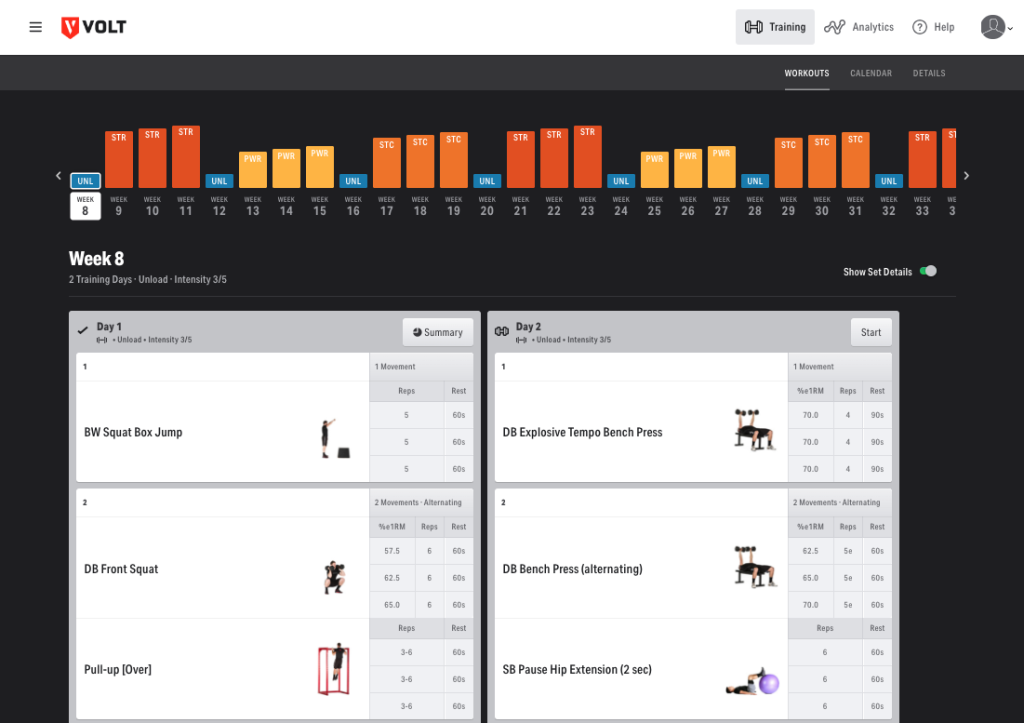
It is important to enjoy the exercise you choose and make it a part of your lifestyle. Find activities that you enjoy and that fit into your schedule and make them a priority. Once you have an exercise plan in place, you will find that eating healthy comes easier.
We've gone through a few ways that I find help maintain my plant-based diet lifestyle. They are an effective way to improve your health and also the health of the planet. By gradually transitioning to a plant-based diet, planning meals, and incorporating a variety of whole grains, fruits, vegetables, nuts, seeds, and legumes, you can create a sustainable and nutritious diet. Additionally, partnering up with friends or family members and incorporating regular exercise into your routine can help to maintain motivation and support overall health and wellness. By making these lifestyle changes, you can achieve optimal health.
Embarking on a fitness journey is an exhilarating yet challenging experience. It demands that you put in effort, remain focused, and persist in striving for your fitness targets. However, elements like family, work, or friends can sometimes derail you. If you're having trouble maintaining your fitness goals, there's no need to beat yourself up. Here are some fail-safe strategies to keep you motivated and committed to staying fit and healthy. You'll learn how working out with others can make fitness routines enjoyable, the importance of understanding your reasons for getting fit, how a simpler workout routine could be beneficial, the crucial role of taking breaks, and how self-compassion can foster persistence. These tips will open up new channels for you to stay committed to your fitness goals.
Diving into an inspiring fitness journey can often be solitary. However, incorporating group training into your routine can significantly change the dynamics, adding an extra thrill to your workout sessions. Why is group training so effective in helping you meet your fitness goals? Let's dig into that.
Group training has benefits that can invigorate you to push on with your fitness. Your perseverance is amplified - there's an undeniable energy in moving together with others towards a shared purpose. The variations and challenges brought about by group exercises, you may notice an enhanced level of fitness, agility, and endurance over time, driving you closer towards your fitness goals.

When it comes to group training, the are many options. Whether it's a heart-pounding boot camp, an exhilarating fitness class, or a community-driven sports club, you can choose an option that aligns with you and your interests. The diversity of these classes ensures your workouts remain fresh and engaging.
The role of group dynamics cannot be understated. Your fellow group members, your trainer, the friendly competition, and the shared sweat all work in sync to toughen your workout regimen. The collective motivation of the group can be a powerful stimulant, pushing you to break through challenging workouts and overcome any fitness plateaus. Let's not forget accountability, training in a group often makes you feel like you would let others down if you didn't show up. It creates a feeling of responsibility to the group.
But perhaps the most rewarding aspect of group training often goes unnoticed - the sense of community. Sharing your fitness journey with others makes it more enjoyable, fulfilling, and less lonely. The camaraderie built in these training sessions not only uplifts your spirits during grueling workouts but also acts as a support network, reminding you that you're not alone in this.
Every momentous initiative, including your fitness goals, needs to be grounded in a solid 'why.' Your 'why' is the deep, internal reason that fuels your commitment to your workout plans. Without this being well-defined, it's hard to stay the course when challenges eventually rear their heads.
How does your 'why' intertwine with your fitness goals? It must align with your life values and motivations. This alignment transforms your exercise routine into more than just a routine—it becomes a purpose. Whether it's to stay healthy for your kids, boost your self-confidence, or promote mental well-being, this motivation plays a pivotal role in your long-term dedication to fitness.
Identifying your personal motivations might seem daunting, but it's an introspective journey well worth the effort. You may start by asking yourself why you want to achieve your fitness goals and how it impacts various aspects of your life. Digging into these questions will help you resurface your motivational reservoir whenever your dedication starts wavering.
Discovering your 'why' is a key strategy to maintain your commitment to your fitness goals. It acts like an internal compass, steering you back on the path each time you feel lost.
In the world of fitness, where buzzwords and complex training routines take center stage, maintaining simplicity can be underestimated. It's tempting to think that the more complicated a routine, the better it must be. On the contrary, a simpler workout might be exactly what you need to stay on track.
Maintaining a simple workout routine has several benefits. For starters, a less complicated routine is easier to stick to. No one wants to be overwhelmed with numerous types of exercises, which can be daunting and potentially demotivating. By carving out a simple workout plan, it becomes easier to keep track of your progress and adjust your plans as needed, ensuring consistency.
Making simplicity your friend doesn't mean sticking to mundane, ineffective routines. There's an array of basic yet powerful exercises - from squats and lunges for lower body workouts to push-ups and pull-ups for upper body strength or even high-intensity interval training (HIIT) for cardiovascular improvement. These exercises work multiple muscle groups at once, leading to impressive results.
Having a solid, easy-to-follow workout routine is a fantastic step towards achieving your fitness goals. But it's essential to remember that pushing your body relentlessly without proper rest can be counterproductive.
In your pursuit of a healthier you, the emphasis is often placed on training hard and pushing limits. But here's a key piece of the puzzle often overlooked: rest. Yes, contrary to what you might believe, deliberately taking time off from your training—known as recovery or rest weeks—is not a sign of slacking off but an important part of fitness.
Your body grows stronger not during the workout but during the recovery periods; this is when muscle repair and growth happen. The harder you train without adequate rest, the greater the risk of overtraining, which can significantly hinder your progress and lead to injuries, fatigue, and a drop in performance.

Overtraining is real and detrimental. It can occur when the intensity and volume of your workouts exceed your body's ability to recover. Introducing recovery weeks in your workout routine can avert this, allowing your body to heal and grow stronger, ensuring a steady progression towards your fitness goals.
Planning your rest weeks effectively is crucial. Just as your workouts are structured, so should your rest weeks. Striking a balance between total rest days and light activity days will help keep your body active without straining your muscles, bolstering your long-term performance.
Amidst the sweat, muscle soreness, and challenging workouts, one important aspect that can be easily forgotten is self-compassion. Mastering the art of being kind to yourself can, surprisingly, significantly impact your fitness journey.
Incorporating self-compassion means forgiving yourself during setbacks, being understanding with your body's limitations, and maintaining a positive self-image, even when progress seems slower than anticipated. Why is self-compassion important on this journey? Because fitness is not just physical – it's mental and emotional. The way you talk to and perceive yourself can dramatically influence your resilience and determination during challenging routines.
A positive self-image and gentle self-talk when facing fitness obstacles can transform your experience. Let's say you missed a couple of workouts due to unforeseen circumstances - it's alright. Instead of beating yourself up, remind yourself that it's a marathon, not a sprint. Accepting the highs and lows as part of the process and being gentle with yourself can lead to more sustainable fitness habits, and ultimately, improve overall performance.
Remember, at the end of the day, your fitness journey is a personal one, unique to you. While making strides towards your goals, don't forget to celebrate the small victories, pat yourself on the back, and most importantly, be kind to yourself. Your emotional health is just as important as your physical one, and combining both will contribute to a more balanced lifestyle.
Achieving your fitness goals is not merely about the physical effort put into workouts—it's a balance of several factors. As we've discovered, staying on track with your fitness journey involves more than breaking a sweat. It demands perseverance, understanding your motivations, keeping your workouts simple, incorporating rest weeks, and practicing self-compassion.

Harnessing the power of group training can infuse a sense of camaraderie and motivation into your fitness routine, making it more enjoyable. Pinpointing your motivating factor, your 'why,' ensures that your dedication doesn't slip during challenging times. Simplicity in your workout routine can save you from being overwhelmed. Recognizing the importance of rest weeks allows your body the necessary time to recover and grow stronger, avoiding the risk of overtraining. Lastly, cultivating a sense of self-compassion fuels persistence and resilience throughout the demanding journey of fitness. Remember, it's all about balance, dedication, and, most importantly, consistency that counts in the end. Here's to a healthier, fitter you!